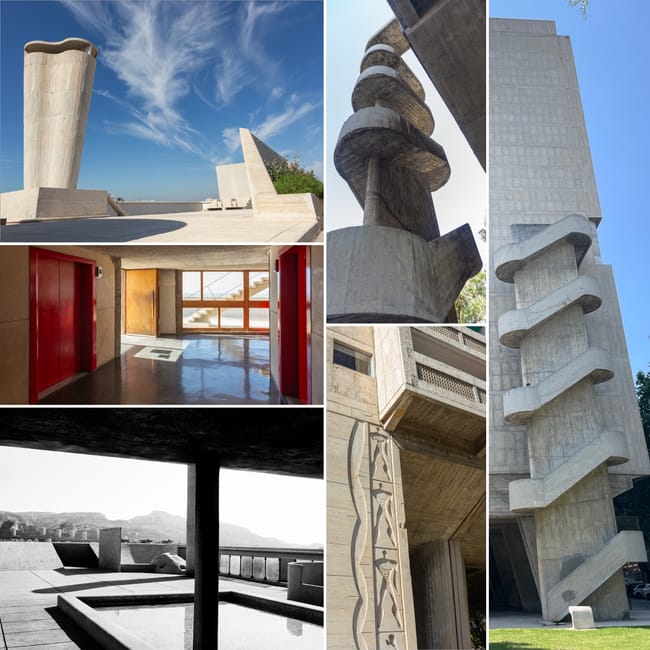
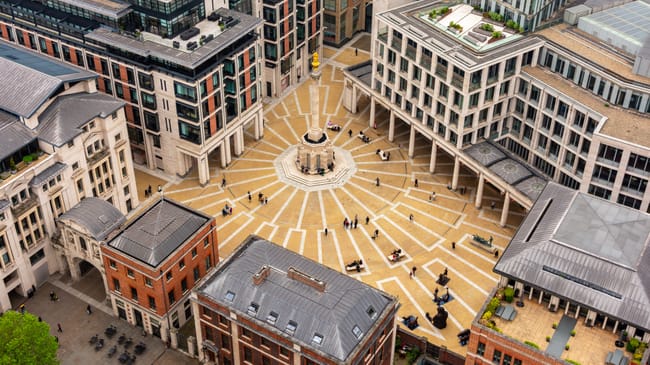
After the #Blitz of #WW2, demand for #SocialHousing in Europe, for dislocated families was high. #LeCorbusier focused on communal living & his pioneering approach to large-scale housing produced #UniteDHabitation, completed in 1952. With 1600 residents over 18 floors, he innovatively organised space to integrate private living, utilitarian & communal spaces into one.
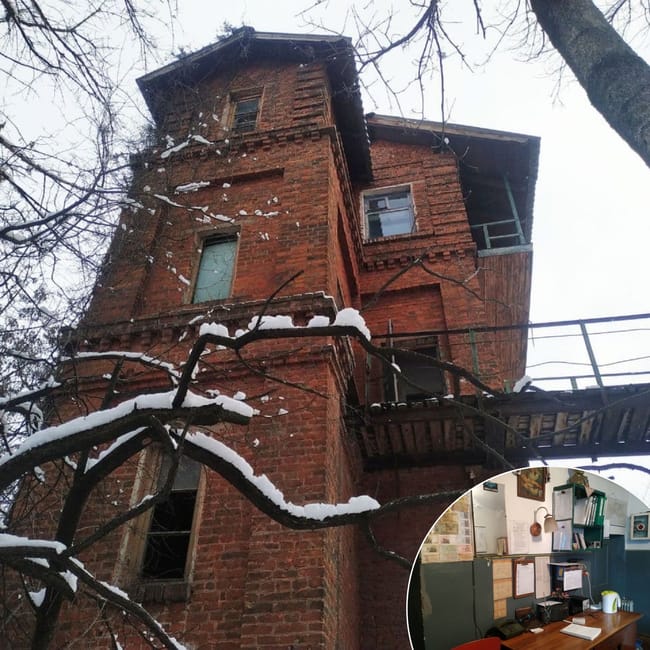
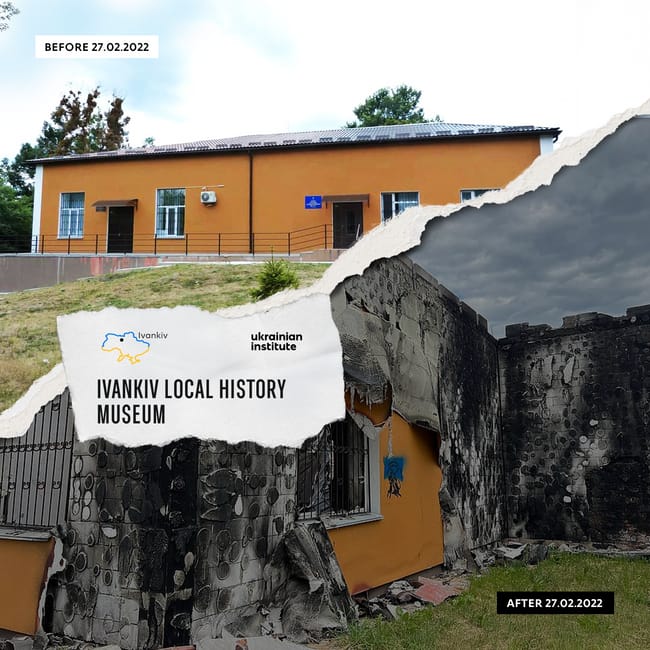
According to an investigative journalist the #HauntedHouse at 26 Soldiers Division, Galicia St. is derelict. All floors are sealed except the 3rd which can be reached from the railway tracks via a bridge at the rear & is used by railway workers as a workshop. Apparently, the house was built during #WW2 as a control room by the Germans & was used as a mail depot #UkrainianMyths
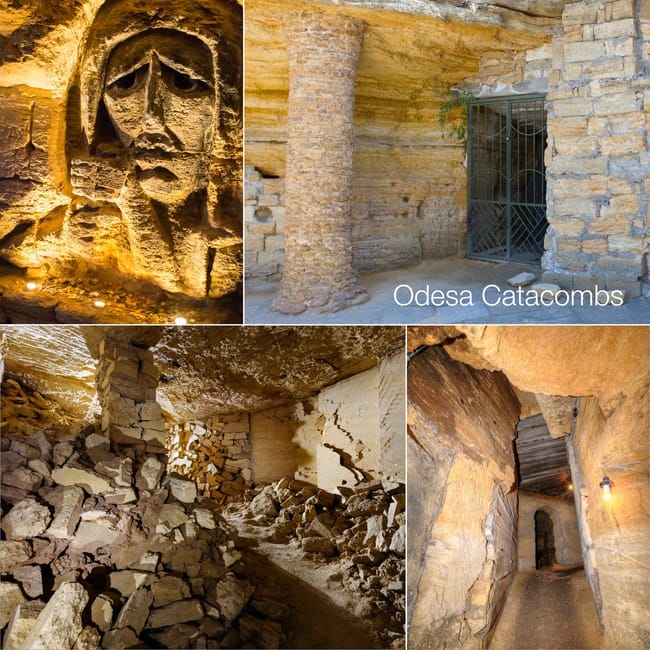
Beneath #Odesa lies a vast limestone #Labyrinth, one of the world's largest urban tunnel networks. The #OdesaCatacombs has 3 levels, in part 60m deep & 2500km long - but it is not fully mapped. +90% are thought to be #Coquina stone mines needed to build the city above. Used as #WW2 shelters, lost souls & eerie echoes haunt its hidden chambers - some never return #UkrainianMyths
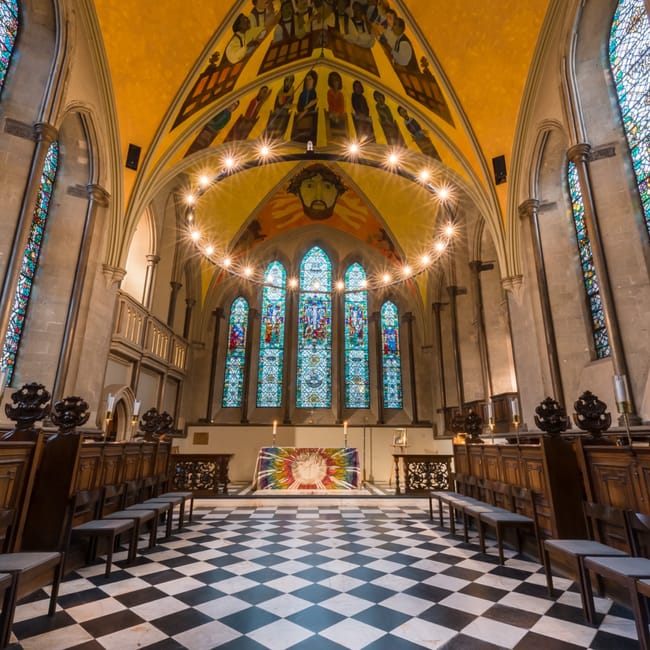
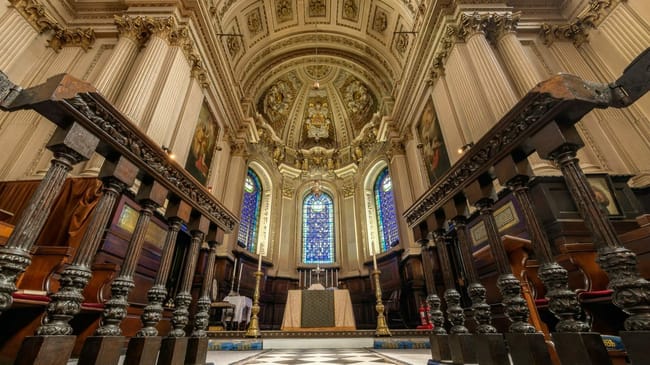
#LambethPalaceChapel was built c1225, and although rebuilt after being bombed in #WW2, is a fine example of 13th-century #EarlyEnglishGothicArchitecture with a vaulted ceiling and high lancet windows of stained glass. The original 13th-century west doorway survives as does a 17th-century carved wooden screen made for #Archbishop#WilliamLaud.
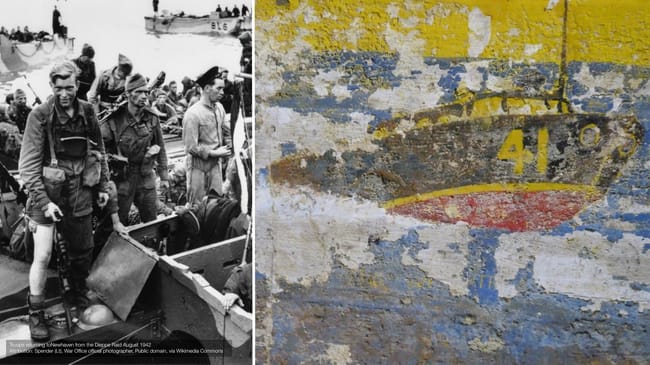
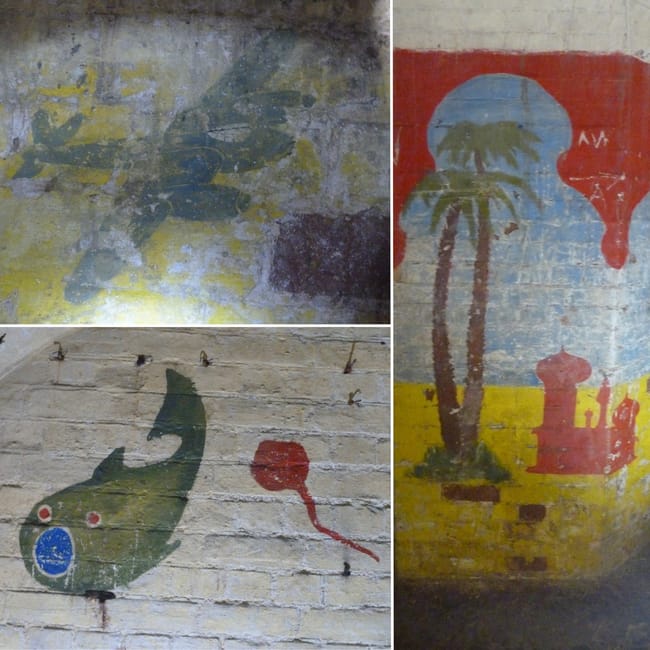
Although never directly attacked #NewhavenFort’s long military history includes both #WW1 & #WW2 with #Newhaven acting as a disembarkation point for both the #DieppeRaids & #NormandyLandings. One of the many units based there in #WW2 was the #RAF#AirSeaRescue & the crew created colourful #WarMurals to brighten up an area of the fort that had served as their recreation area.
The #WW2#RAF#AirSeaRescue crew stationed at #NewhavenFort, adopted rooms deep within the fort for their recreation area. Following the military tradition of talismanic #WarArt to protect vehicles & crew, the ASR men painted colourful murals on the stark concrete walls using RAF boat paints, to depict undersea scenes, Arabian deserts & the craft that had meaning to them.
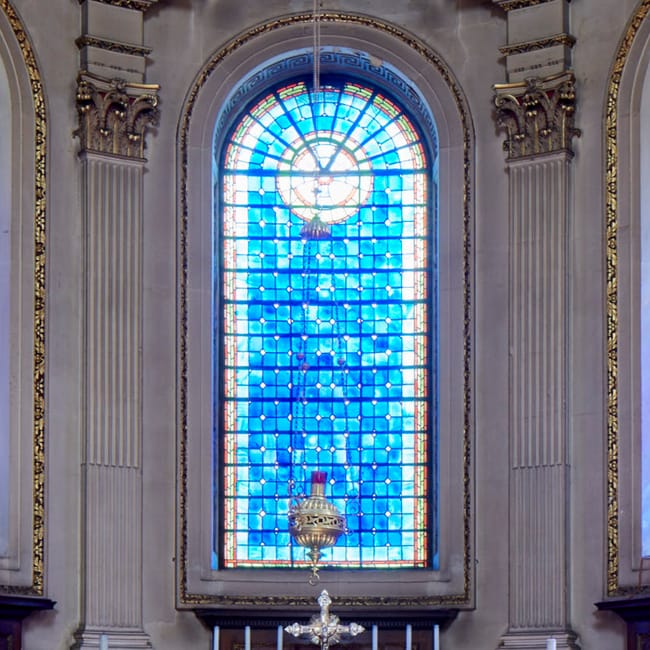
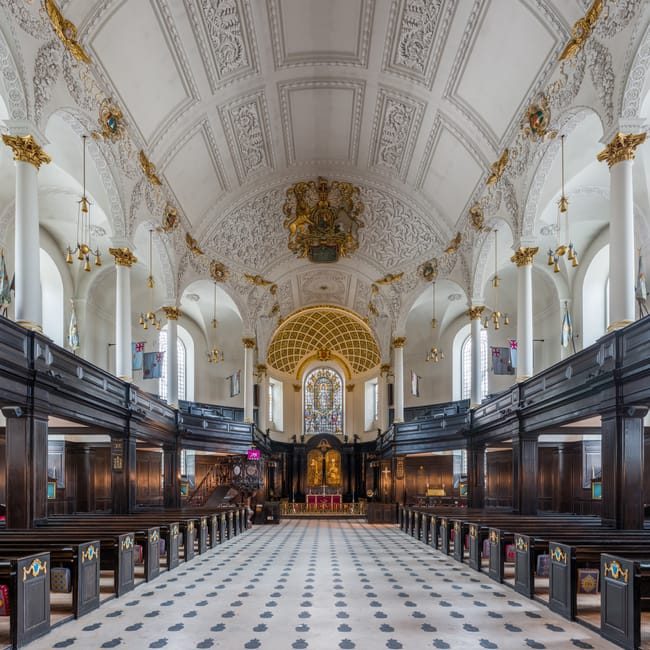
Heaton, Butler & Bayne replaced the #ApseWindows in the 1860s with intricate stained glass. The central window depicted the Crucifixion but this was damaged by a nearby bomb blast during the #LondonBlitz of #WW2. All of the windows were subsequently replaced in 1946 with designs created by #SidneyToy FRIBA. It’s hard to imagine #StMaryLeStrand without its striking blue windows.
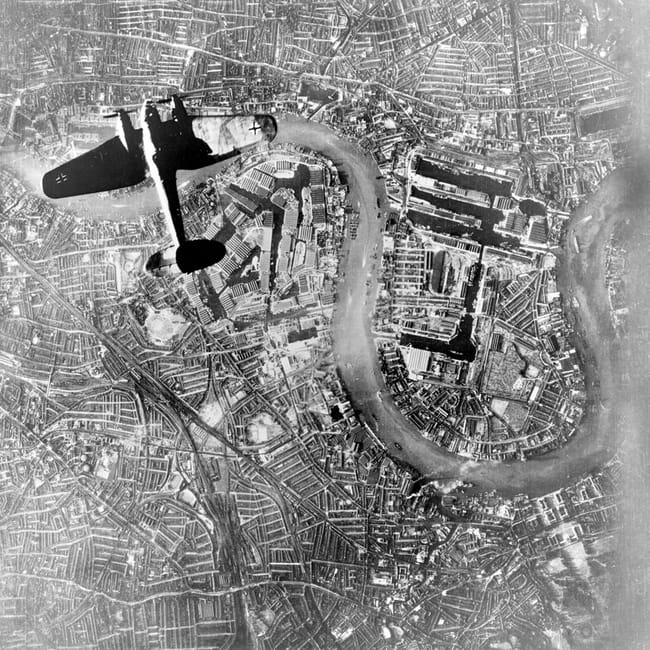
At the start of the 20th century, #StMaryLeStrand narrowly escaped destruction on 2 occasions. A major redevelopment scheme by the City Council proposed to demolish the Church to widen the Strand; then the #LondonBlitz of #WW2 destroyed many buildings in the #StrandAldwych area & although the Church suffered some damage from a nearby bomb explosion, it survived.
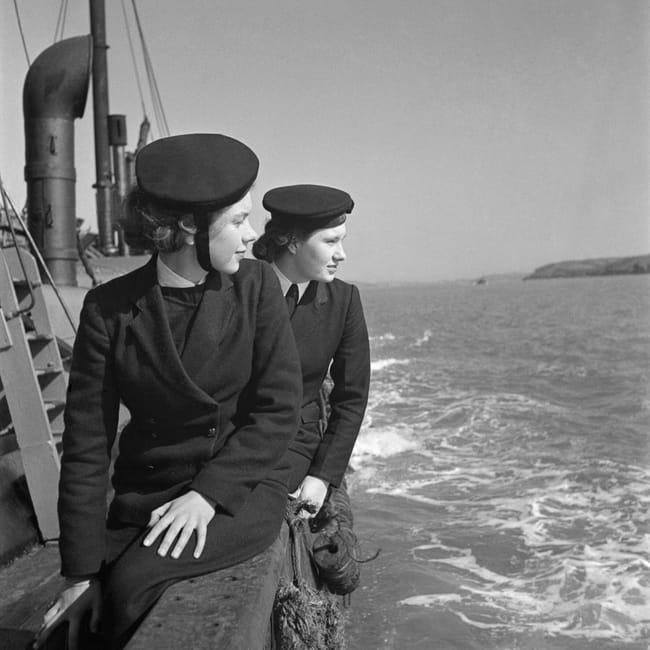
Memorials to those Wrens who lost their lives at sea during #WW2 on the SS Aguila & SS Khedive are inside the church of #StMaryLeStrand. The ladies of the #AssociationofWrens generously paid for the restoration of the bell tower & gifted the blue kneelers, the carved Paschal candlestick & a green altar frontal. Details of the Wrens annual carol service are listed in 'The Wren.'
Expert restoration of #StMaryLeStrand includes paintings by #MatherBrown & 10 #Nave windows beautifully reglazed with 18CE glass. The blue-glass in the sanctuary dates 1946 & is the work of parish architect #SidneyToy FRIBA who replaced the originals after they were destroyed in #WW2. Yet more work needs to be done to save the #JewelintheStrand