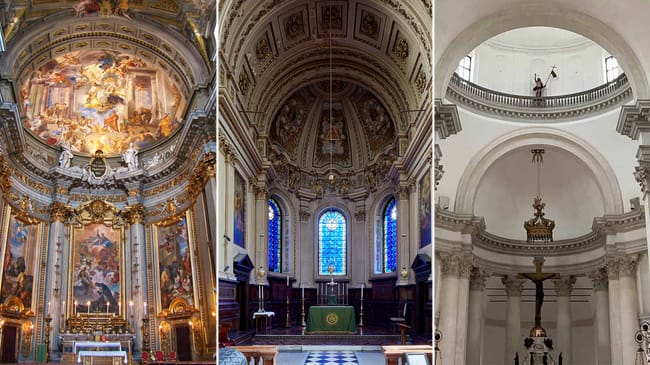
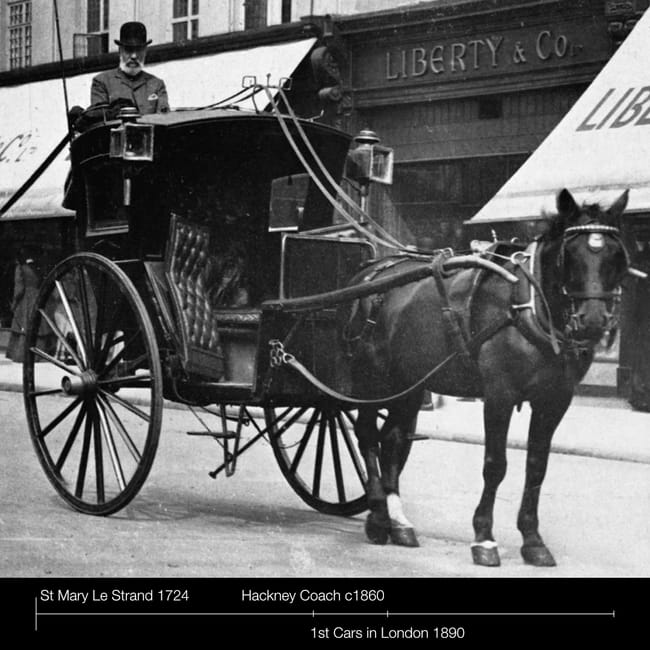
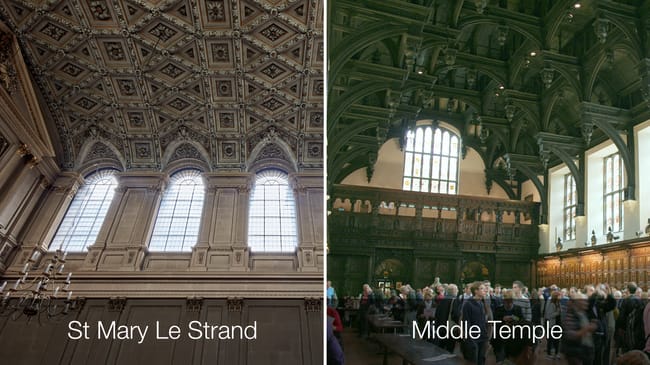
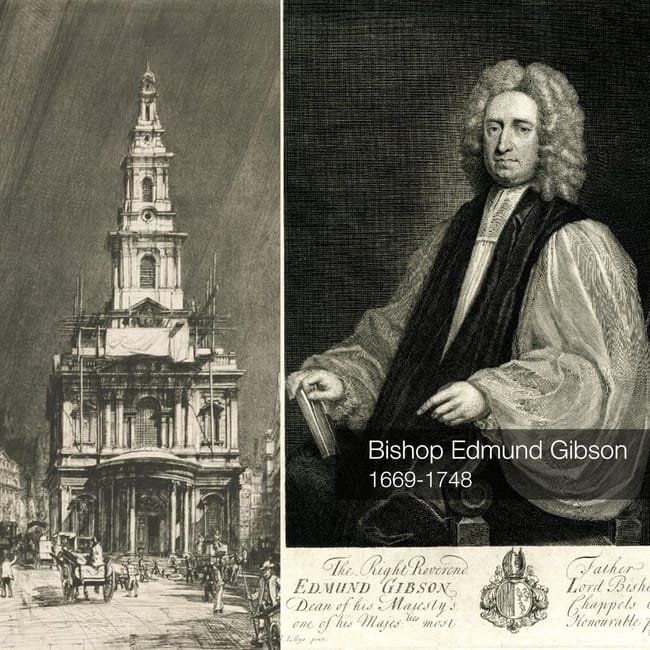
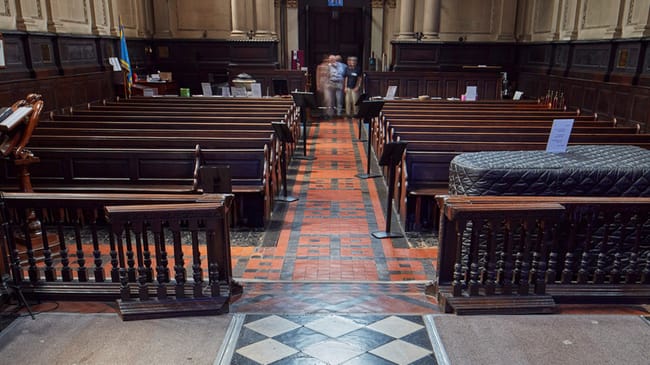
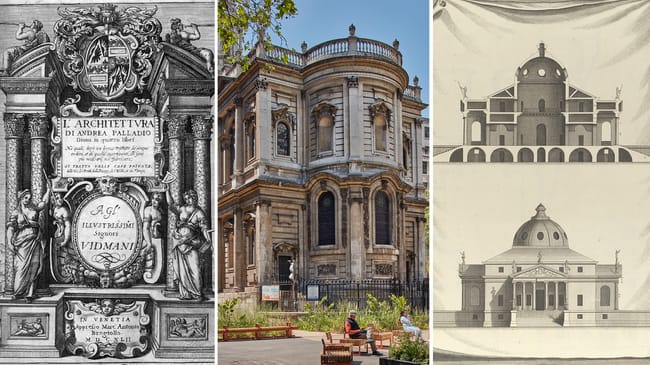
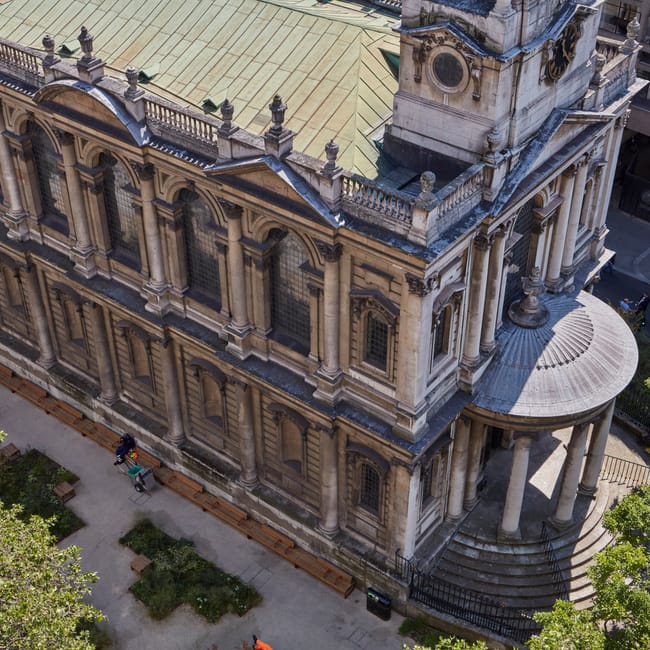
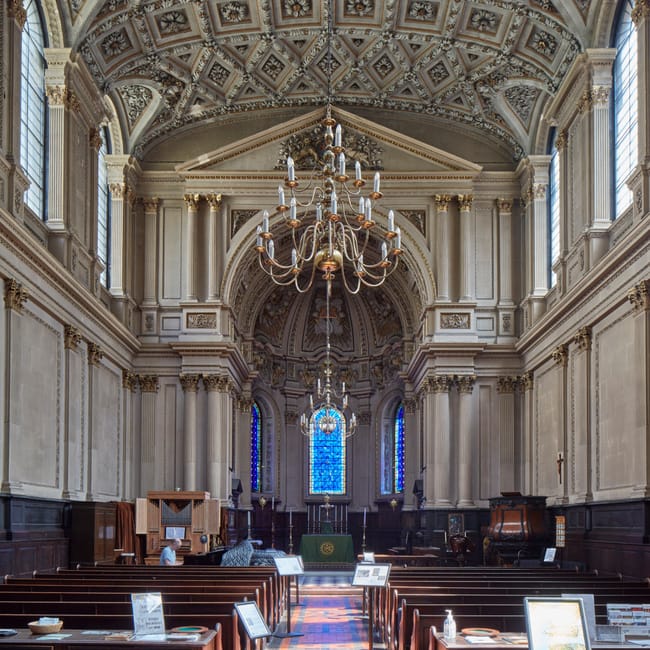
Have you noticed there are no windows on ground level? Architect #JamesGibbs noted that noise generated by the horse drawn carriages in the heart of the Greater London Metropolis would be a problem, so he fitted #StMaryLeStrand with #ChurchWindows on the upper level of the #Nave only, to stop street noise entering the church. This #BaroqueInterior is beautiful & also practical!
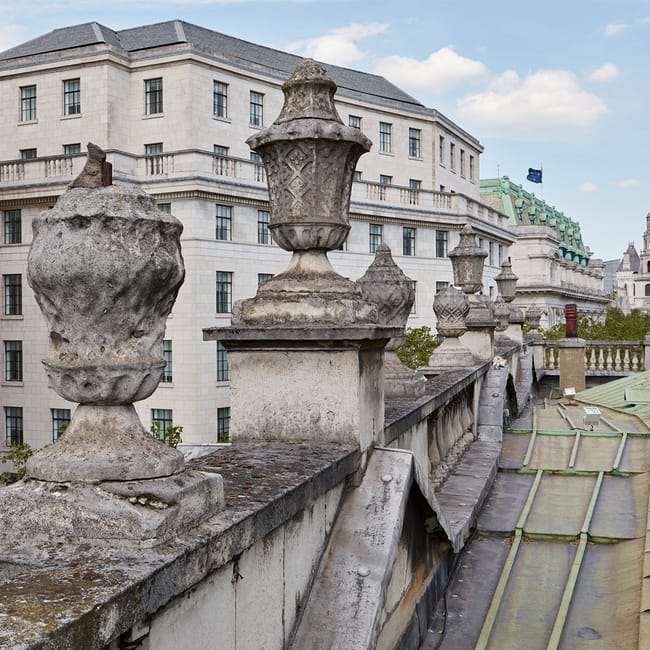
1802, a stone urn atop #StMaryLeStrand fell, killing 3 men & injuring others. To watch the Heralds March & announce the #TreatyOfAmiens a man leant on the urn & caused it to accidentally fall. In fact, the fault was put in motion 100 yrs before when #JamesGibbs workmen mounted the urn on a wooden spike that rotted over time, instead of iron. #HiddenHistory#PeopleOfTheStrand
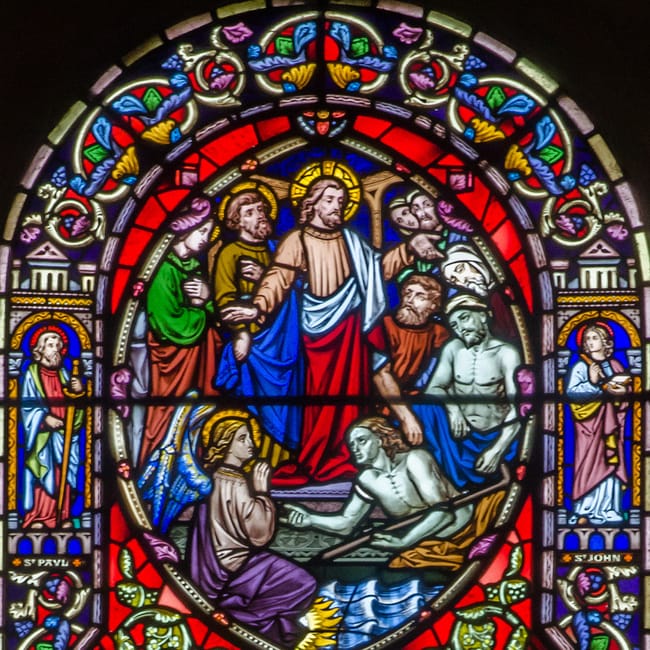
During the construction of #StMaryLeStrand, the #ApseWindows were made of clear glass, which was typical for churches of the time. However, it was during the #Regency era, shortly after the #Neoclassical movement exemplified by late #GeorgianArchitecture, that the #Apse Windows were replaced with painted glass, rendered in brown & yellow tones, depicting images of #ThePassion.
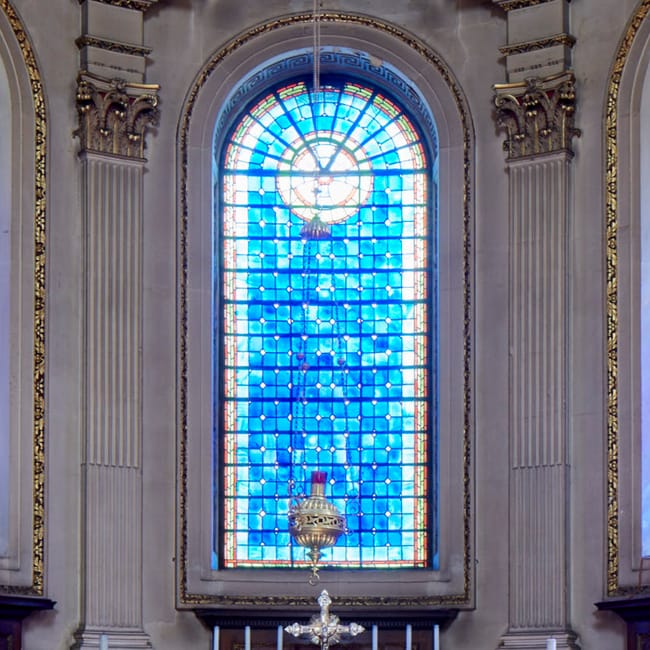
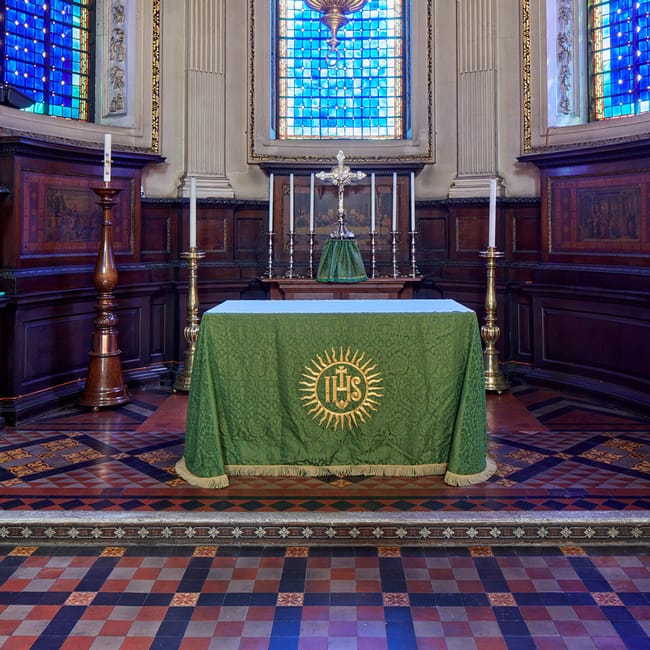
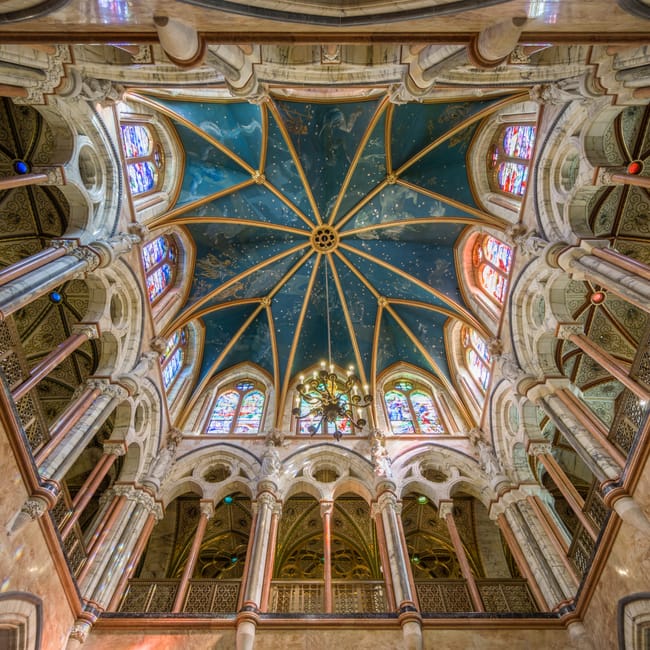
Heaton, Butler & Bayne replaced the #ApseWindows in the 1860s with intricate stained glass. The central window depicted the Crucifixion but this was damaged by a nearby bomb blast during the #LondonBlitz of #WW2. All of the windows were subsequently replaced in 1946 with designs created by #SidneyToy FRIBA. It’s hard to imagine #StMaryLeStrand without its striking blue windows.
Apart from the theological & liturgical reform, the #OxfordMovement made significant changes to the arrangement & decoration of the #BaroqueInterior inside #StMaryLeStrand which included: an extended & raised #Chancel; new choir stalls; a screen to the #Apse; new #BoxPew ends that were moved to create side aisles; & black terracotta tiles to replace the floor. #HiddenHistory
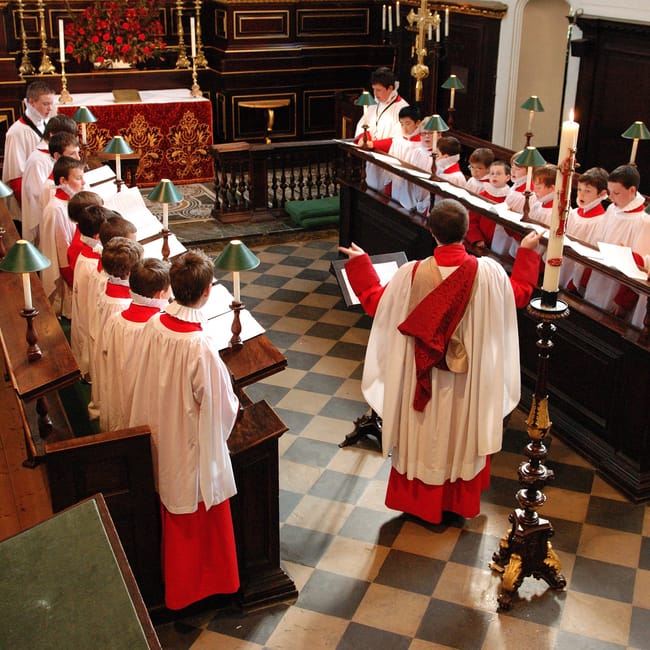
The #OxfordMovement promoted the study of #ChurchMusic & a revival of ancient music, in an attempt to make it devotional. In 1862, a new organ by Messrs Hunter & Webb was set up in #StMaryLeStrand, with a pulpit that sat alongside a new sturdy altar rail. Today, the church is praised for its sensory experience & it invites you to celebrate music together #HiddenHistory
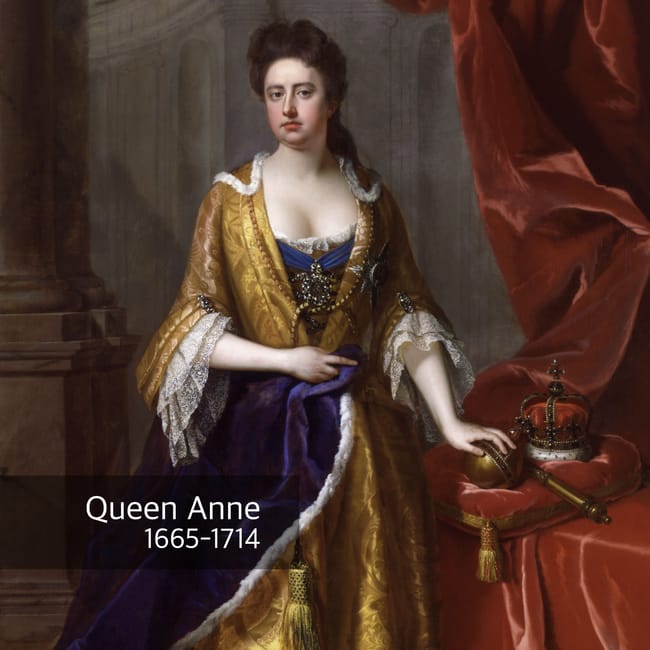
Born 1665, #QueenAnne was Queen of England, Scotland & Ireland from 1702 until her death in 1714. Her father was catholic but she was raised Anglican. During her distinguished reign she oversaw the #ActOfUnion in 1707, a treaty which united England & Scotland under a single #Parliament of Great Britain, starting the modern #UnitedKingdom we know today #RoyalHouse#HouseOfStuart
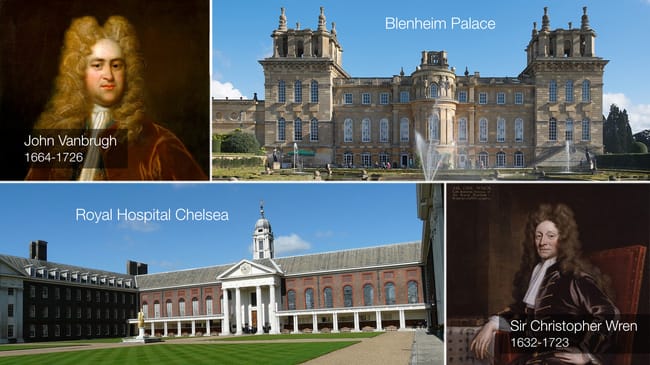
#QueenAnne supported the construction of several important buildings inc. #BlenheimPalace, the only non-royal, non-episcopal country house in England. The most famous example of #QueenAnneArchitecture in London is the #RoyalHospitalChelsea by Sir #ChristopherWren. Completed in 1692, it is renowned for its redbrick façade, symmetrical composition & restrained ornamentation.
1670, taxes on coal entering #StuartLondon were used to fund the reconstruction of #StPaulsCathedral after its destruction in the #GreatFireOfLondon. #QueenAnne reinstated this tax to finance the construction of new churches, inc. #StMaryLeStrand. The tax on coal was rated at 3 shillings per chaldron & was as unfavourable as tax on bread. #HiddenHistory
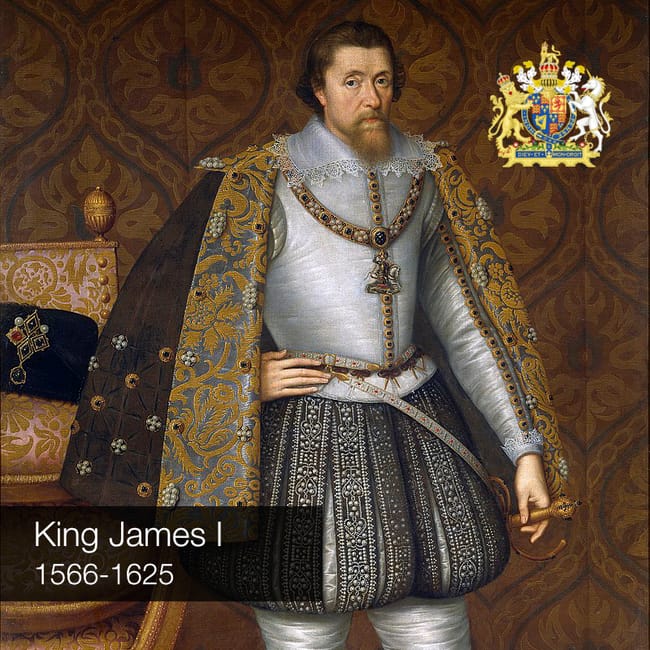
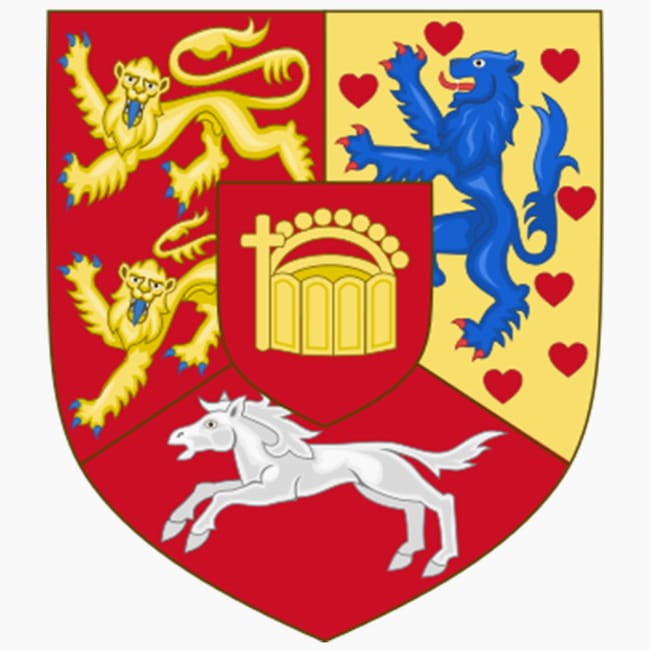
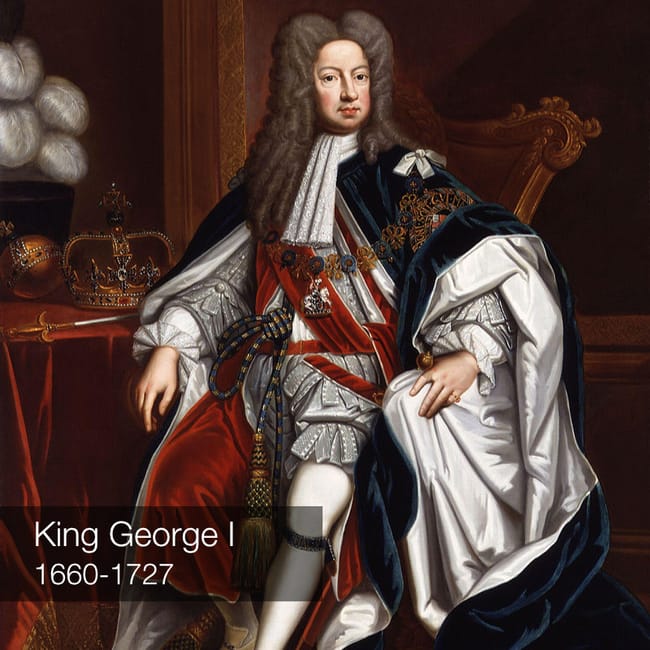
#KingGeorgeI, Elector of the #HouseOfHanover ascended to the British throne in 1714, when the neo-Palladian movement in British #Architecture was emerging. Art patronage played a vital role in royal life as it reflected the values of a #RoyalHouse. Catholic Roman #Baroque architecture was undesirable for the Protestant cause, whereas the #Palladian style was befitting.
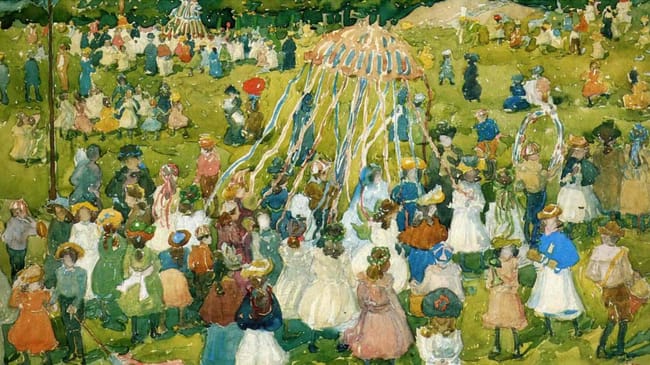
Imagine a colourful #Maypole 30m tall in front of #StMaryLeStrand. Dressed in flowers it was erected for the #PeopleOfTheStrand to celebrate Spring on #MayDay. But angered Puritans called it a Pagan ritual that threatened the morality of common people. They pulled the Maypole down in 1644, after which, all Maypoles were banned until the #EnglishCivilWar ended #HiddenHistory
A #Maypole once stood at the corner of #FleetStreet & the #Strand. Banned by Puritans a “glorious, bigger & higher” replacement 40m high was built in 1661 by the Blacksmith #JohnClarges after the #EnglishCivilWar. The new maypole was an important landmark & meeting place to socialise & trade goods. Night watchmen from #ScotlandYard met at the maypole for their daily patrol.
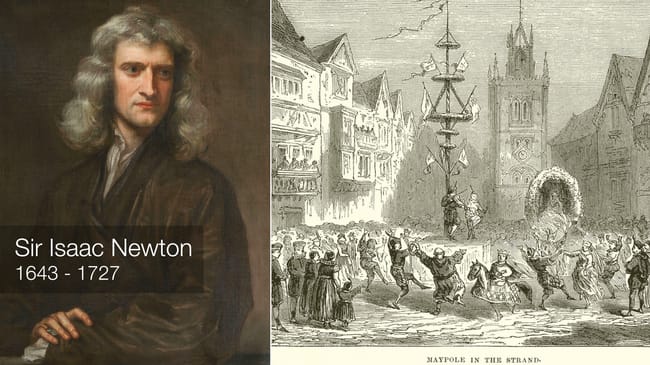
#PeopleOfTheStrand After the #Maypole by #JohnClarges was removed in 1713 another maypole emerged opposite #SomersetHouse where the drinking fountain is now located. In 1717, Sir #IsaacNewton bought the maypole from parishioners to erect it in #WansteadPark as part of the structure that supported a telescope, which was at the time the largest in Europe.
The #Maypole by #JohnClarges was of extraordinary length & was raised by 12 sailors commanded by #TheOldPretender as it was thought to be too big for landsmen. Reinforced with iron bands, featuring a large hoop around its middle, the Maypole was adorned with a gilded crown & the king’s arms. A ceremony led by 3 men carrying crowns started a musical procession #PeopleOfTheStrand
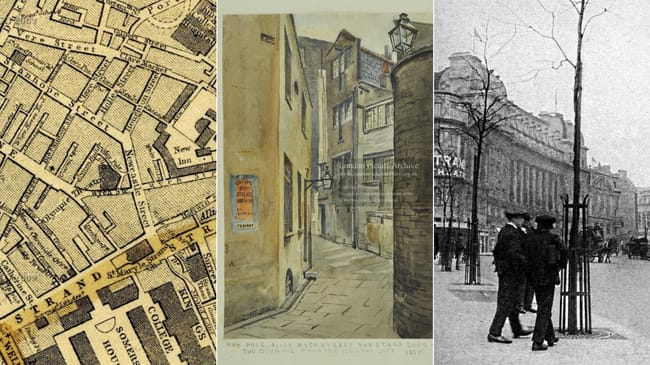
Newcastle Street, to the North-East of #StMaryLeStrand was formerly known as Maypole Alley, a name transferred to a narrow court on the junction of Drury Lane & Wych Street, by the #OlympicTheatre. In a twist of fate, #MaypoleAlley was moved to a location where the blacksmith #JohnClarges, who set up the 2nd #Maypole during the #Restoration, had his forge. #PeopleOfTheStrand
Gracing the entrance of #StMaryLeStrand, 2 beautiful #Magnolias shelter a pair of classical #Corinthian columns with #Ionic capitals. Inspired by Italian architecture, circular steps lead up to the domed portico to start a theme for the #ChurchExterior that surrounds the church, featuring columns capped with pilasters & a decorative balustrade with vases on top.