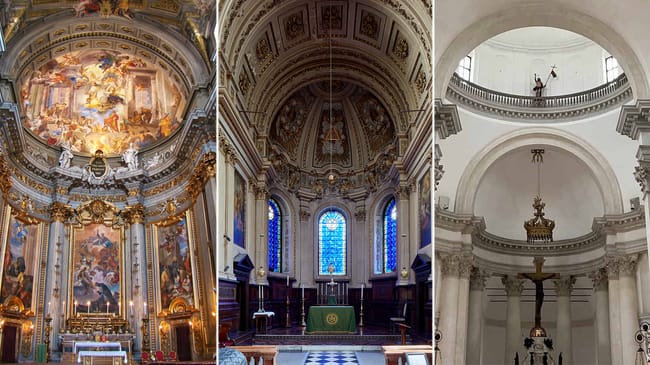
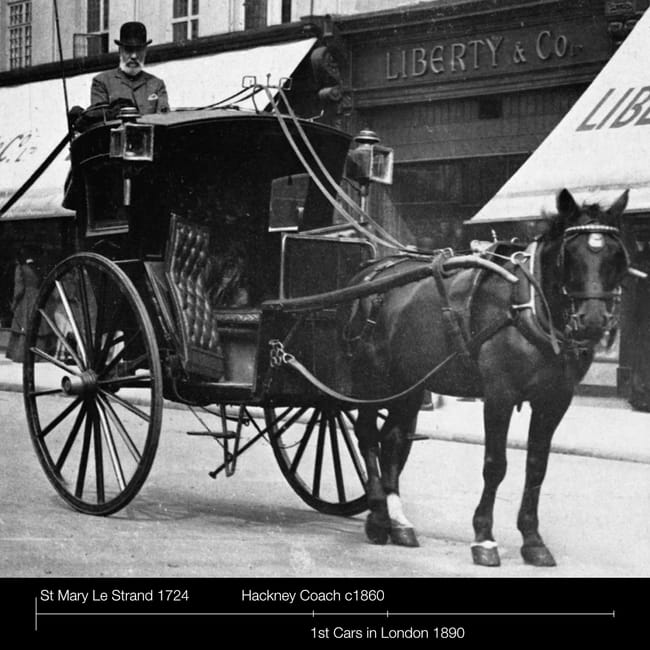
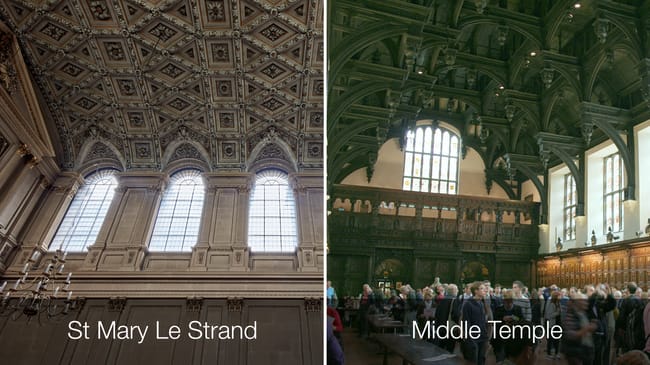
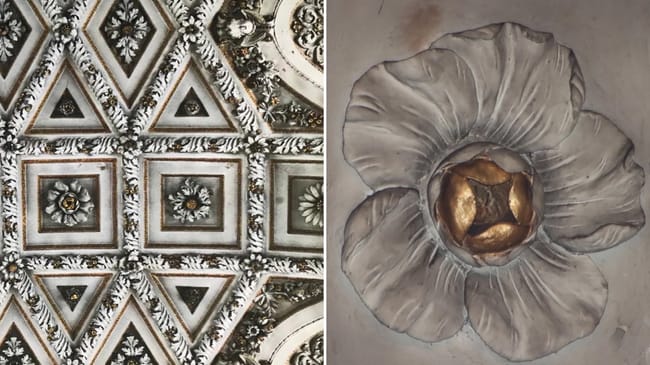
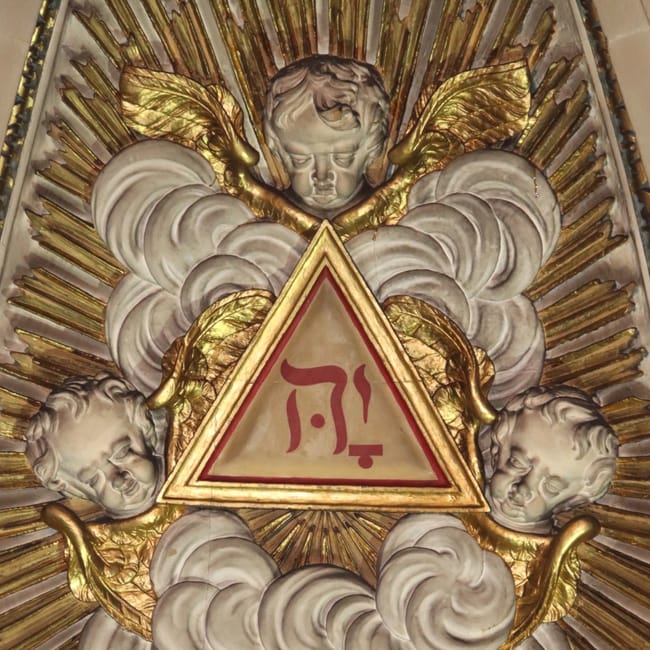
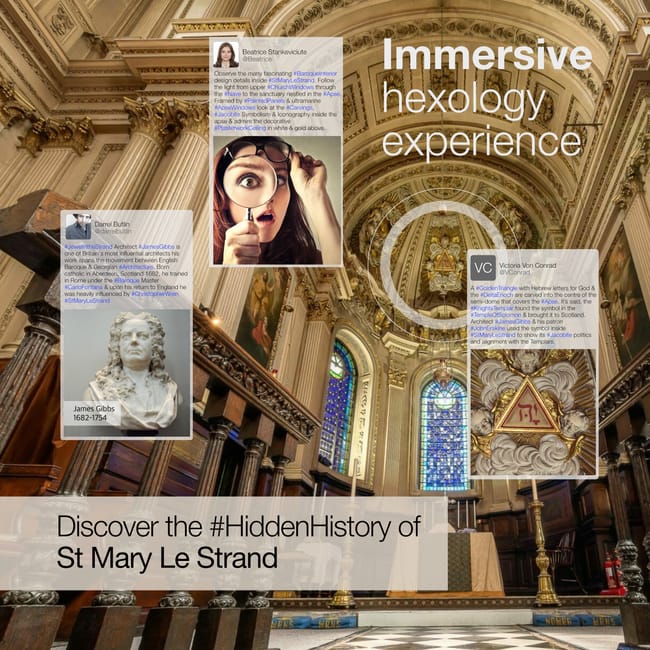
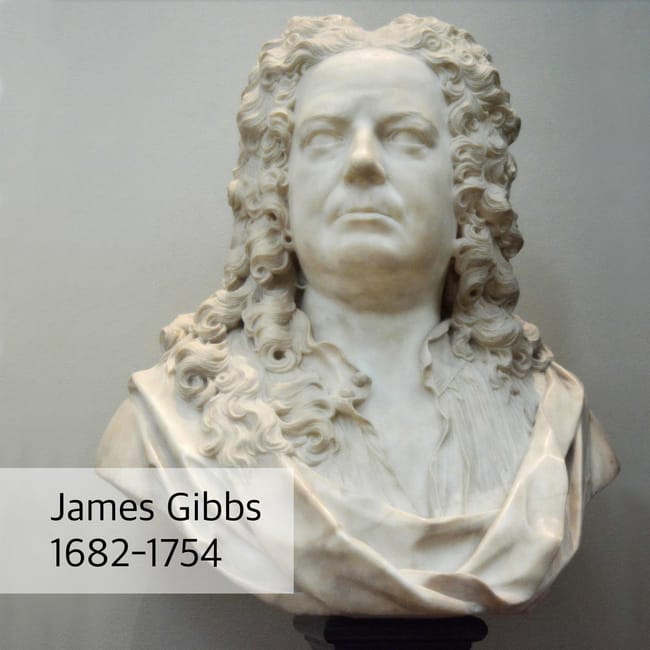
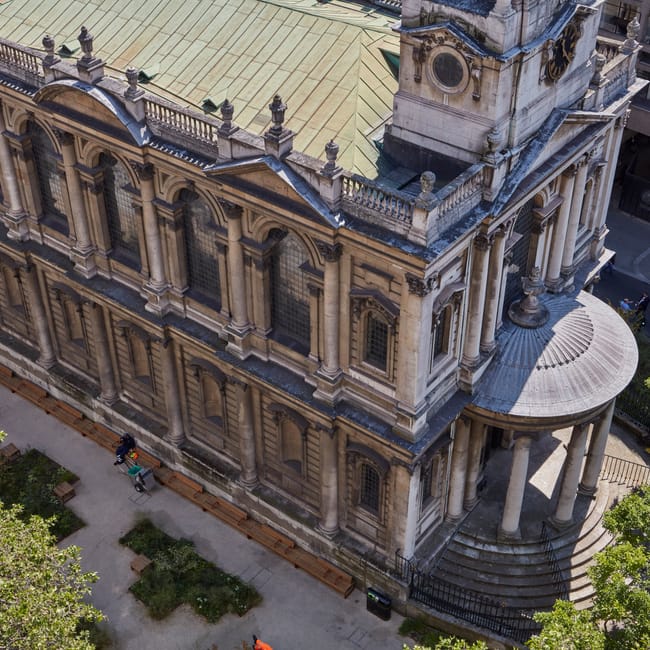
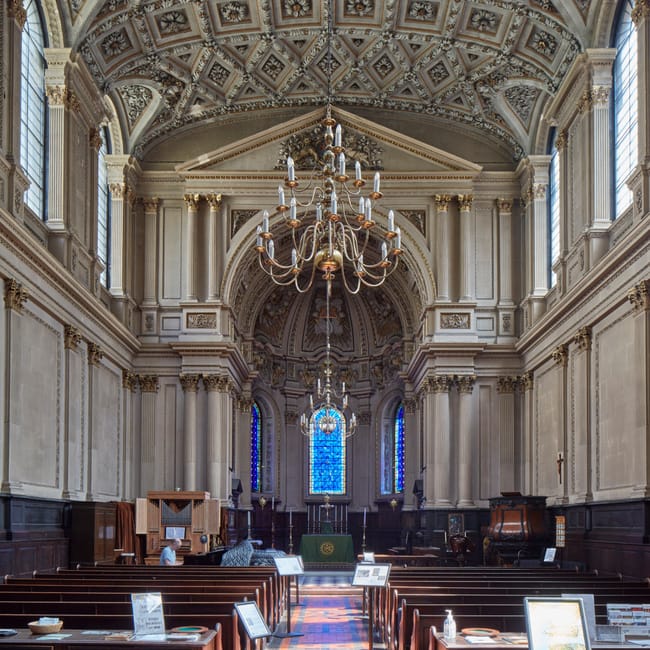
Have you noticed there are no windows on ground level? Architect #JamesGibbs noted that noise generated by the horse drawn carriages in the heart of the Greater London Metropolis would be a problem, so he fitted #StMaryLeStrand with #ChurchWindows on the upper level of the #Nave only, to stop street noise entering the church. This #BaroqueInterior is beautiful & also practical!
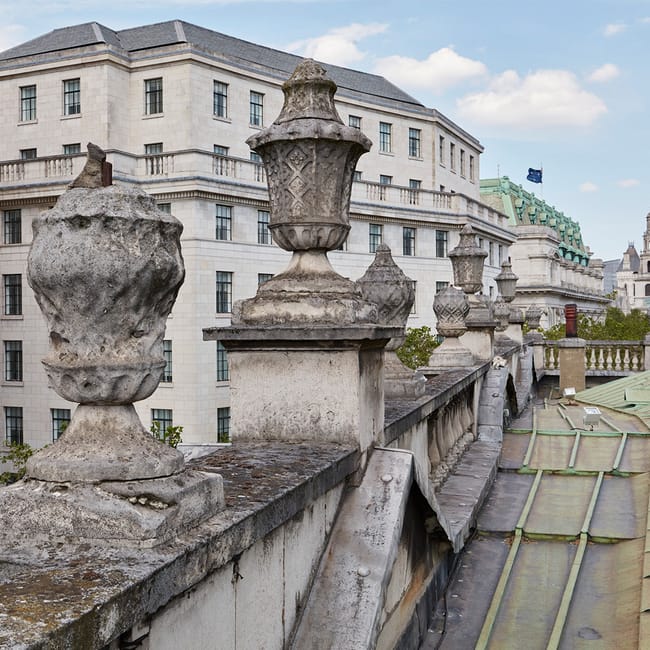
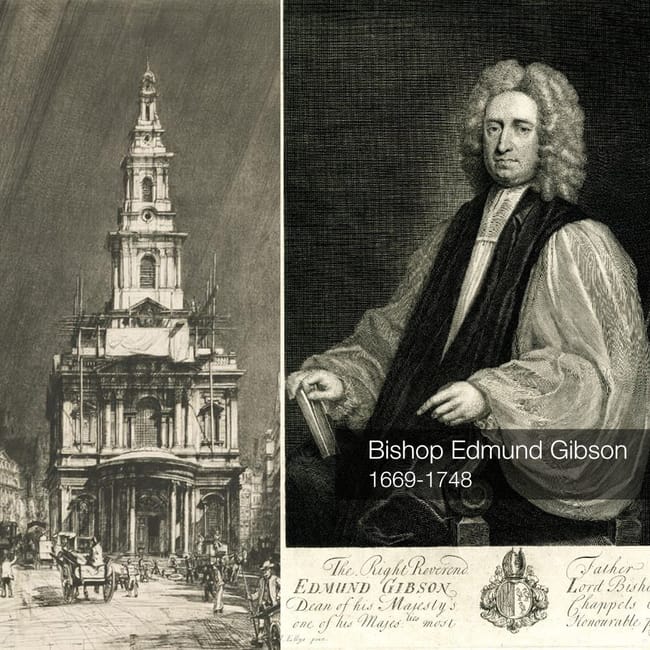
1802, a stone urn atop #StMaryLeStrand fell, killing 3 men & injuring others. To watch the Heralds March & announce the #TreatyOfAmiens a man leant on the urn & caused it to accidentally fall. In fact, the fault was put in motion 100 yrs before when #JamesGibbs workmen mounted the urn on a wooden spike that rotted over time, instead of iron. #HiddenHistory#PeopleOfTheStrand
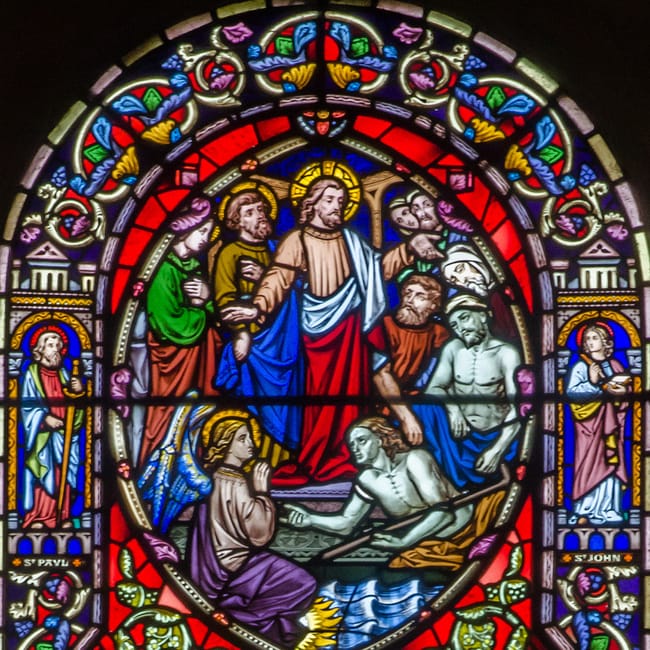
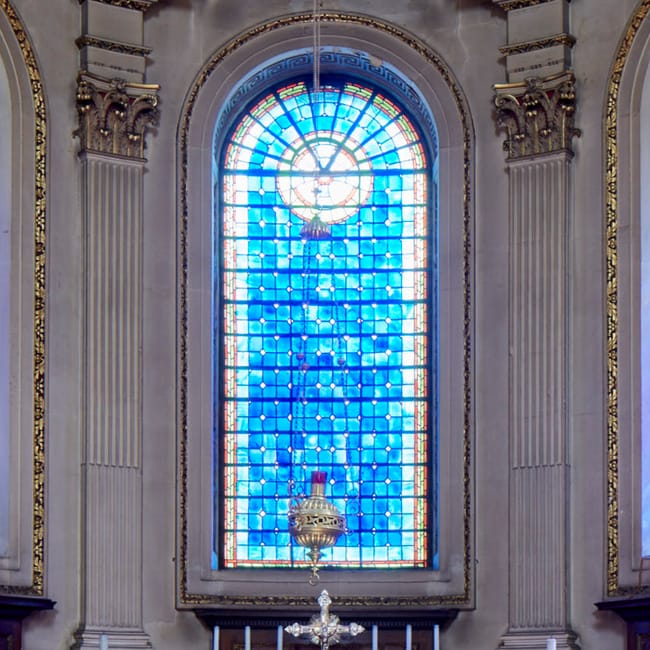
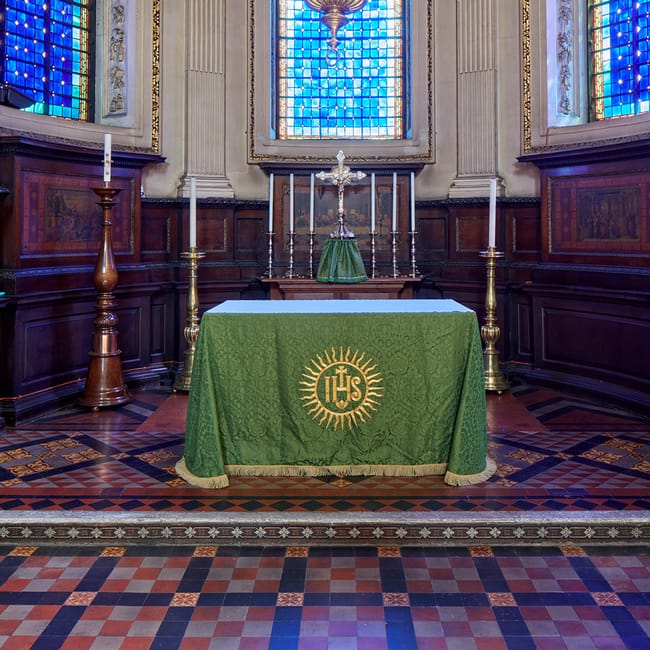
During the construction of #StMaryLeStrand, the #ApseWindows were made of clear glass, which was typical for churches of the time. However, it was during the #Regency era, shortly after the #Neoclassical movement exemplified by late #GeorgianArchitecture, that the #Apse Windows were replaced with painted glass, rendered in brown & yellow tones, depicting images of #ThePassion.
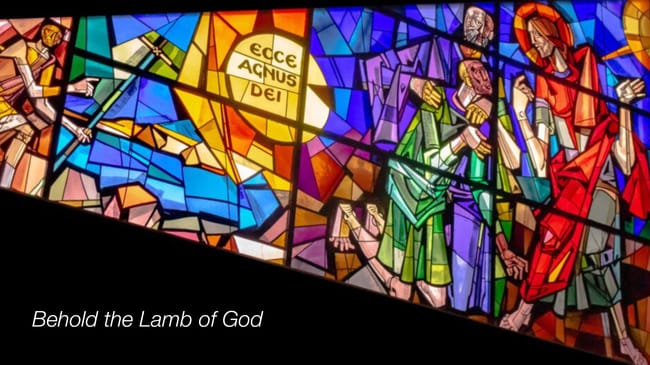
Heaton, Butler & Bayne replaced the #ApseWindows in the 1860s with intricate stained glass. The central window depicted the Crucifixion but this was damaged by a nearby bomb blast during the #LondonBlitz of #WW2. All of the windows were subsequently replaced in 1946 with designs created by #SidneyToy FRIBA. It’s hard to imagine #StMaryLeStrand without its striking blue windows.
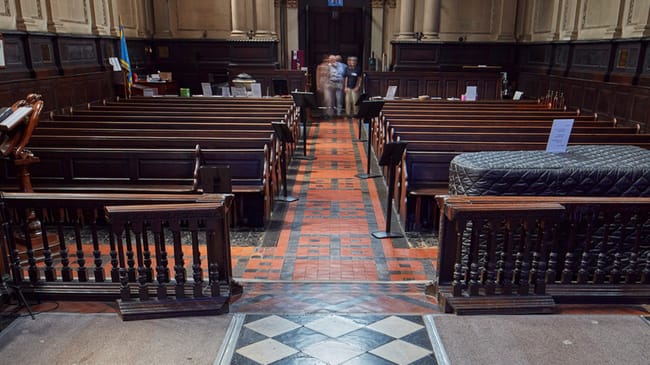
Apart from the theological & liturgical reform, the #OxfordMovement made significant changes to the arrangement & decoration of the #BaroqueInterior inside #StMaryLeStrand which included: an extended & raised #Chancel; new choir stalls; a screen to the #Apse; new #BoxPew ends that were moved to create side aisles; & black terracotta tiles to replace the floor. #HiddenHistory
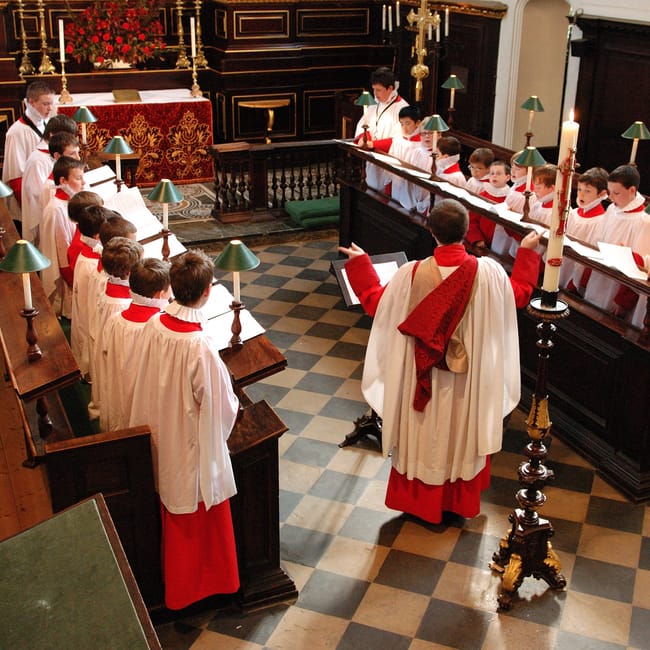
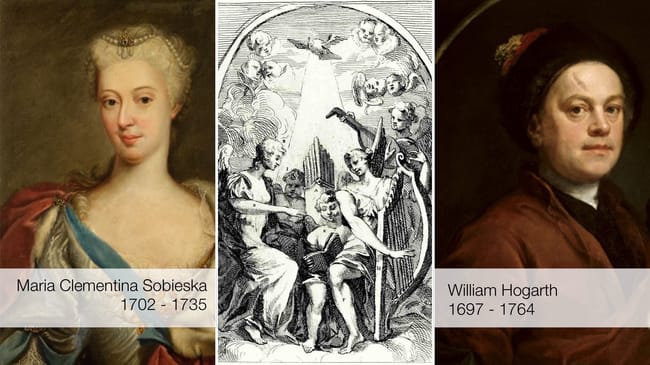
The #OxfordMovement promoted the study of #ChurchMusic & a revival of ancient music, in an attempt to make it devotional. In 1862, a new organ by Messrs Hunter & Webb was set up in #StMaryLeStrand, with a pulpit that sat alongside a new sturdy altar rail. Today, the church is praised for its sensory experience & it invites you to celebrate music together #HiddenHistory
1670, taxes on coal entering #StuartLondon were used to fund the reconstruction of #StPaulsCathedral after its destruction in the #GreatFireOfLondon. #QueenAnne reinstated this tax to finance the construction of new churches, inc. #StMaryLeStrand. The tax on coal was rated at 3 shillings per chaldron & was as unfavourable as tax on bread. #HiddenHistory
Imagine a colourful #Maypole 30m tall in front of #StMaryLeStrand. Dressed in flowers it was erected for the #PeopleOfTheStrand to celebrate Spring on #MayDay. But angered Puritans called it a Pagan ritual that threatened the morality of common people. They pulled the Maypole down in 1644, after which, all Maypoles were banned until the #EnglishCivilWar ended #HiddenHistory
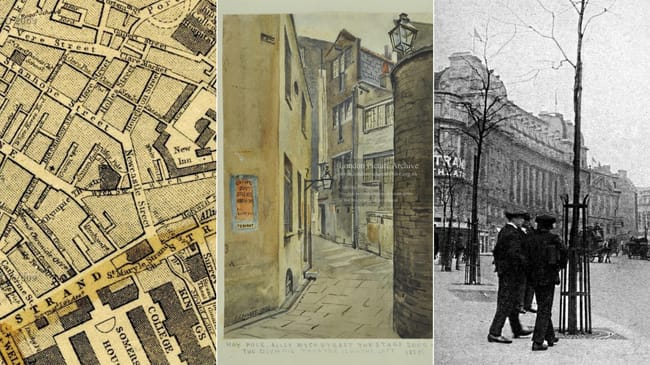
Newcastle Street, to the North-East of #StMaryLeStrand was formerly known as Maypole Alley, a name transferred to a narrow court on the junction of Drury Lane & Wych Street, by the #OlympicTheatre. In a twist of fate, #MaypoleAlley was moved to a location where the blacksmith #JohnClarges, who set up the 2nd #Maypole during the #Restoration, had his forge. #PeopleOfTheStrand
Unlock the #HiddenHistory of #StMaryLeStrand & discover a layer of digital content about the church floating inside. Stories of Kings & Queens, the religious & political forces that shaped this place & culture, along with those who lived & walked here, are written into the building & its surrounding area. Powered by #hexology, experience an immersive world in our collection:
#StMaryLeStrand is the 2nd #Church in #StrandAldwych to be called by this name, the 1st situated only metres away. Mentioned in records dated 1222 ‘St Mary & the Innocents’ was destroyed in 1549 to make way for #SomersetHouse, forcing parishioners to #StClementDanes Church a short distance East. The united parish of #StMaryLeStrand with #StClementDanes still stands to this day.
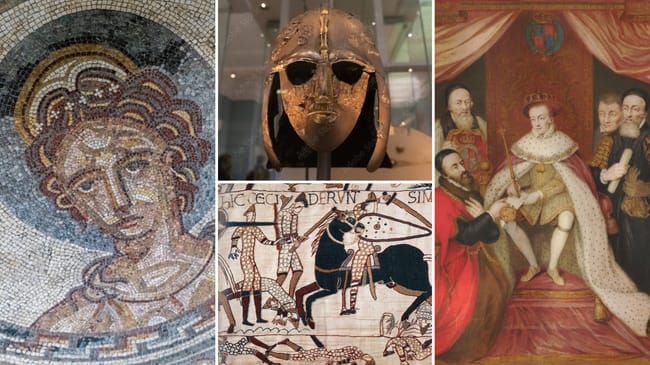
Beneath the foundations of #StMaryLeStrand lie traces of #Roman#Saxon & #MedievalLondon when #StrandAldwych acted as a vital link between the city & the Royal / Monastic settlement of Westminster. In the later #MiddleAges & #Tudor times, the Strand was lined with lavish town houses of bishops & nobles, many of whom are remembered in the side road & alleys named after them.
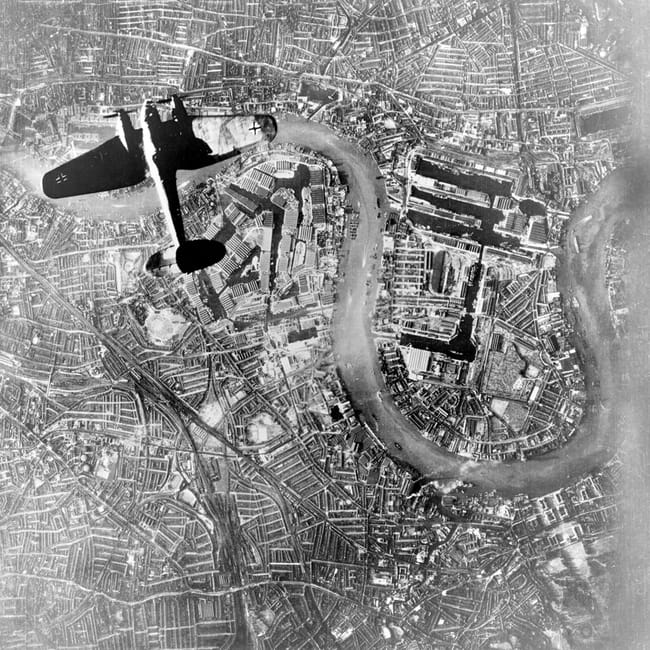
At the start of the 20th century, #StMaryLeStrand narrowly escaped destruction on 2 occasions. A major redevelopment scheme by the City Council proposed to demolish the Church to widen the Strand; then the #LondonBlitz of #WW2 destroyed many buildings in the #StrandAldwych area & although the Church suffered some damage from a nearby bomb explosion, it survived.
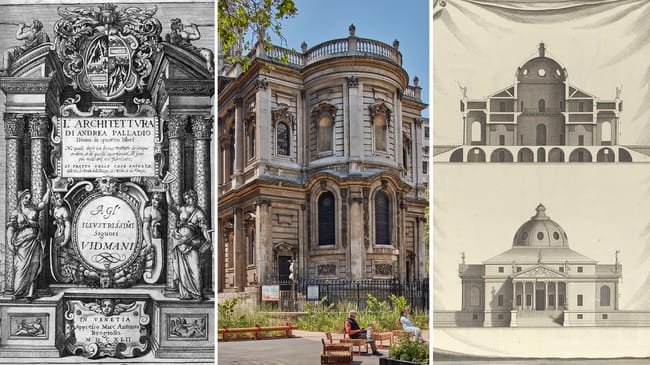
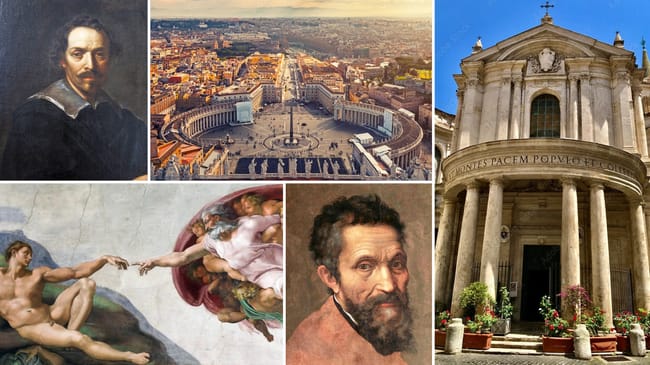
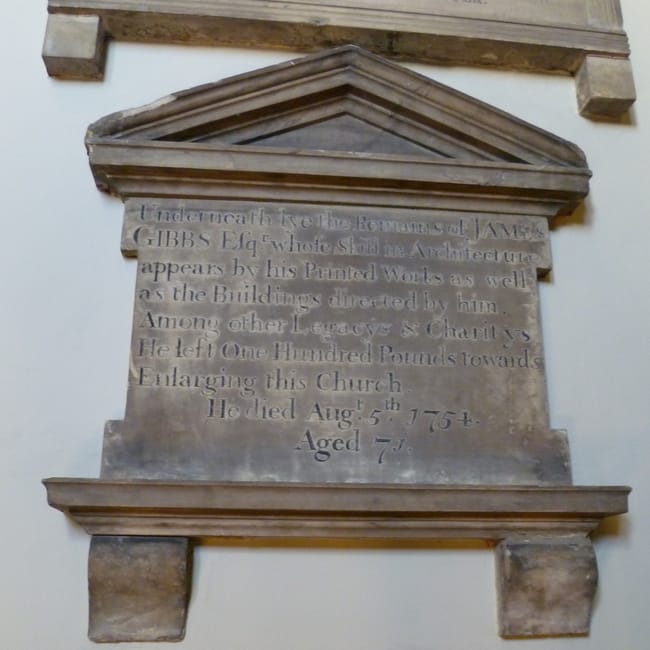
Following the death of his parents #JamesGibbs travelled through Europe & in 1703, registered as a student at #TheScotsCollege in Rome; a seminary into the priesthood for the dioceses of the Roman Catholic Church in Scotland. But he had second thoughts & by the end of 1704 he was studying Architecture & moved to London in November 1708. #StMaryLeStrand#JewelintheStrand
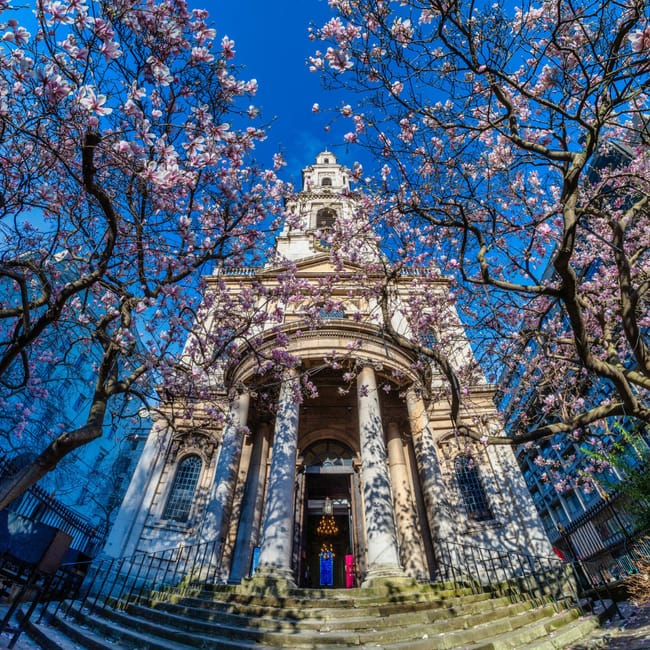
Gracing the entrance of #StMaryLeStrand, 2 beautiful #Magnolias shelter a pair of classical #Corinthian columns with #Ionic capitals. Inspired by Italian architecture, circular steps lead up to the domed portico to start a theme for the #ChurchExterior that surrounds the church, featuring columns capped with pilasters & a decorative balustrade with vases on top.