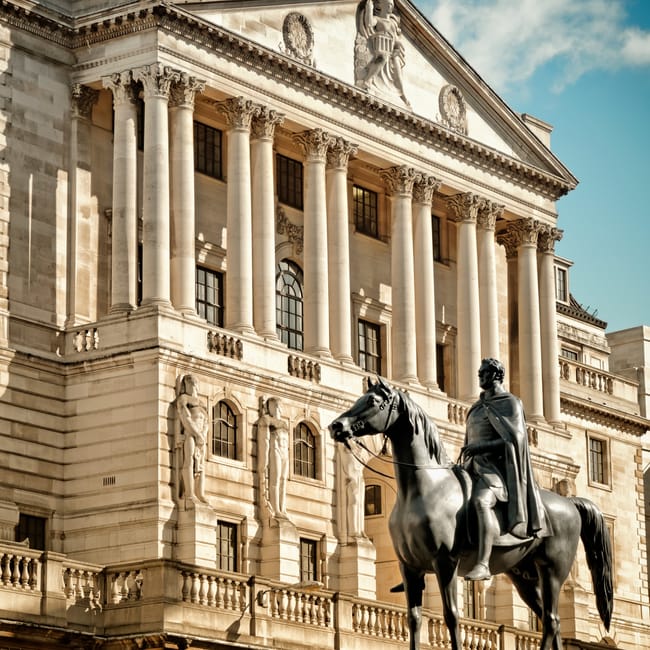
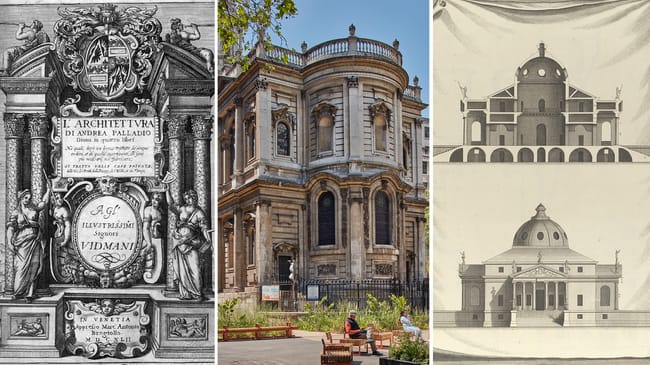
The #BankofEngland has stood in the #CityofLondon for 300 yrs. Rebuilt between 1921 & 1942, it’s #Neoclassical design was conceived to be strong & secure. Hidden deep underground are vaults filled with gold that few ever see, they quietly guard the country’s wealth. One of London’s greatest #HistoricBanks, it’s a reminder of how buildings create trust & are often full of story.
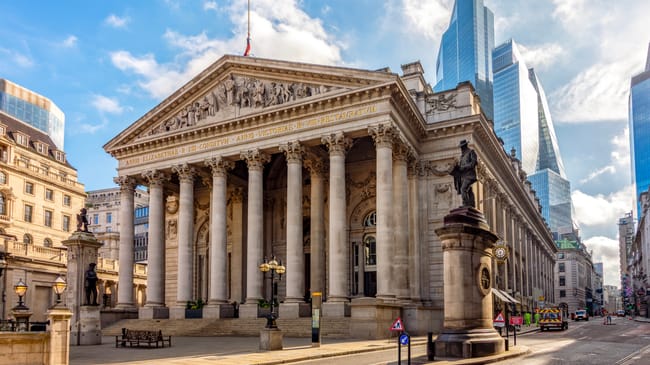
#TheRoyalExchange with its grand #Neoclassical pediment & stone columns, played a key role in the history of London’s #HistoricBanks. Built in the 16th CE as a centre for merchant trade, it was rebuilt in 1844 after 2 fires. A testament to the #CityofLondon’s rise as a global hub, the #StockExchange has now gone, but it still whispers of historic times & fortunes, made & lost.
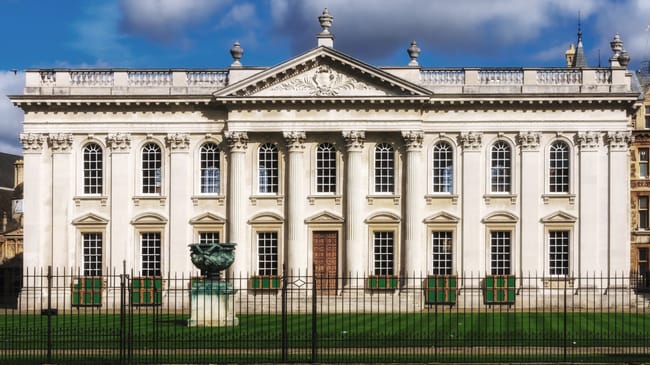
Situated between #CambridgeUniversity colleges #Kings & #Caius is the #Neoclassical building #SenateHouse. Designed by architect #JamesGibbs & completed in 1730, it was intended to be one side of a quadrangle, however the rest of the structure was never built. Originally used for state & political meetings, Senate House is now used by the University for its ceremonial events.
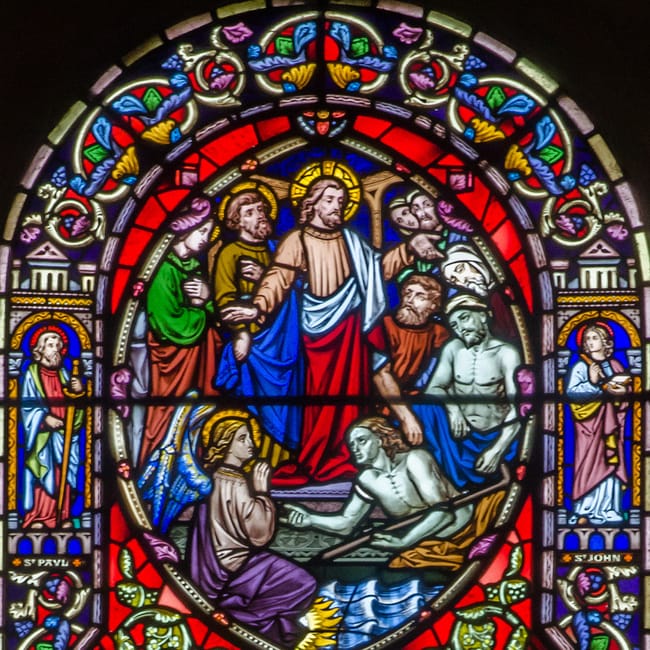
During the construction of #StMaryLeStrand, the #ApseWindows were made of clear glass, which was typical for churches of the time. However, it was during the #Regency era, shortly after the #Neoclassical movement exemplified by late #GeorgianArchitecture, that the #Apse Windows were replaced with painted glass, rendered in brown & yellow tones, depicting images of #ThePassion.
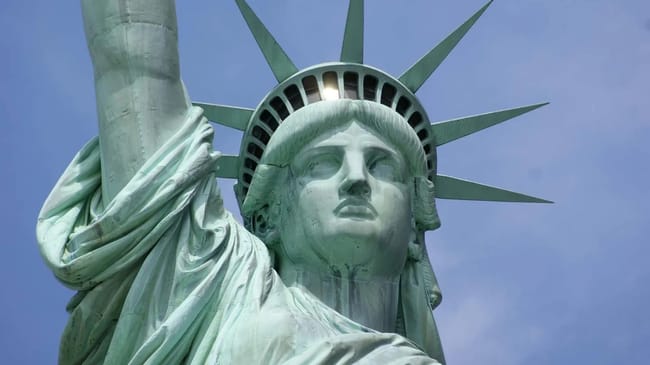
The colossal #neoclassical#sculpture of the Roman Goddess #Libertas, holds a torch above her head, and a tablet with the inscription July 4, 1776, the date of the U.S. Declaration of Independence. A broken shackle and chain lie at her feet, commemorating the abolition of slavery. After its dedication, the #statue became an icon of #freedom, #democracy and of the United States.