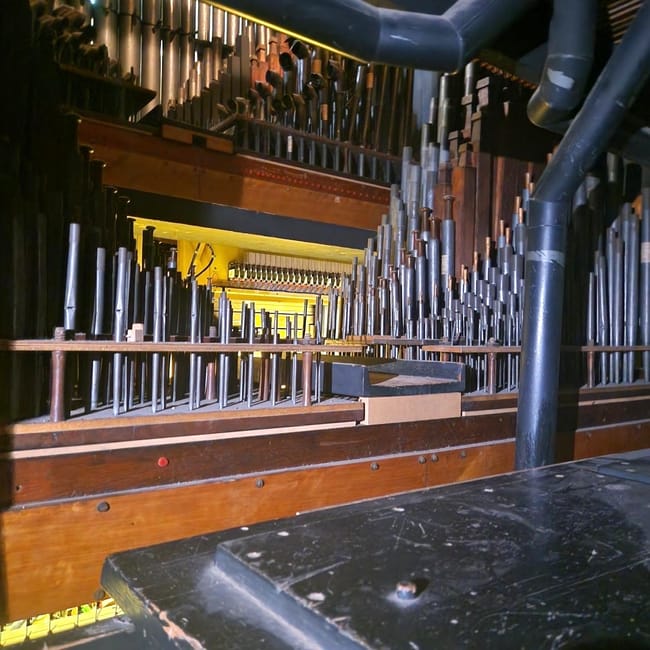
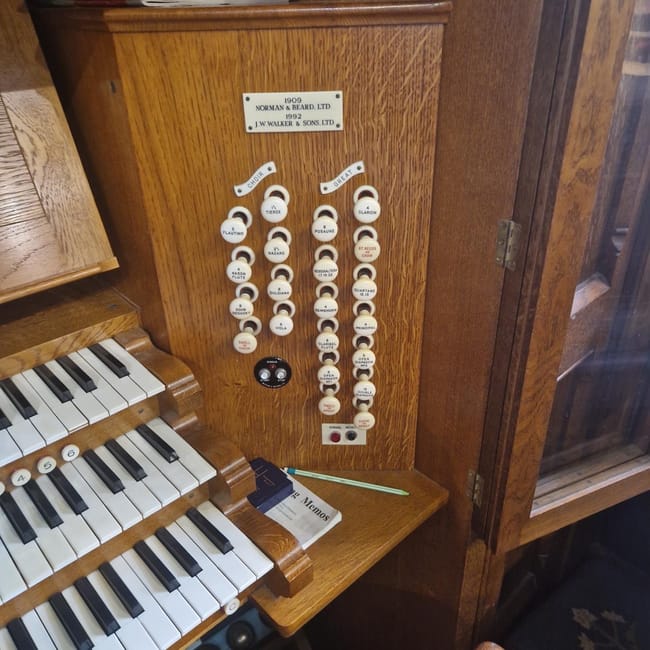
Over the years #StMarysChurch pipe organ has been maintained well, but the wind supply & especially its controls between stops, keys & pipes, have many moving parts & are worn. Some of the mechanical & pneumatic linkages date from 1909 & are increasingly subject to failure. The main wood & leather wind reservoir dates from 1865.
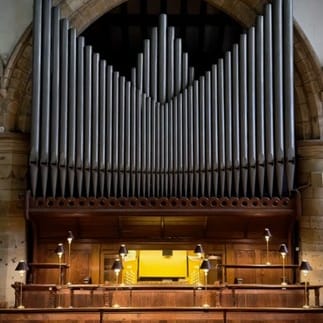
The pipe organ #HenryPadwick bought for #StMarysChurch in 1865 is the same exceptional instrument we hear today. Parishioners have always valued the instrument & the replacement parts grandson #HenryWillis III fitted in 1955, did not spoil its dramatic sound. Yet at present, our expert organists tiptoe around faulty keys so we enjoy the original sound #FatherWillis created.
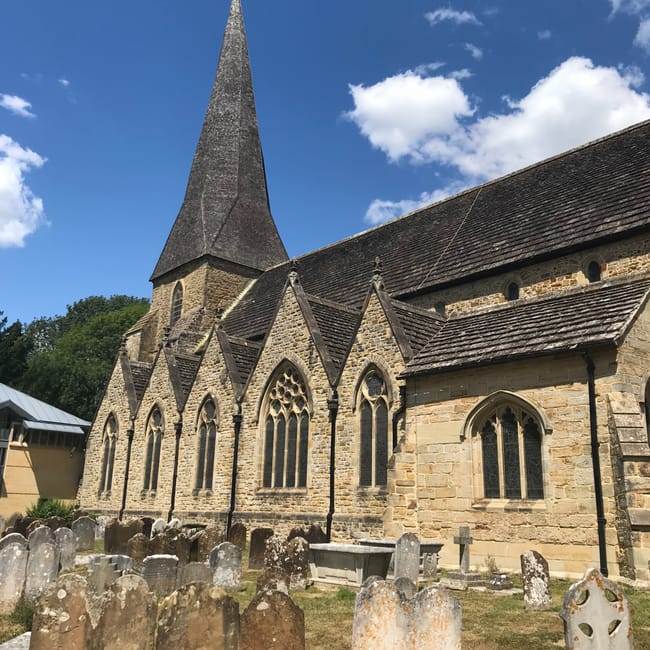
The pipe organ was purchased as part of a much larger restoration project for #StMarysChurch which was in poor condition by 1863. During restoration an alarming 2ft lean on the church’s outer wall was corrected in just 3 hours using hydraulic jacks. The extension of rail services to #Horsham established it as an important travel hub, bringing greater prosperity & confidence.
#ChristopherWren’s frustration at accommodating a pipe organ within his architectural plan for the new #StPaulsCathedral was evident in his description of it as ‘a confounded box of whistles’. #StMarysChurch in Horsham, accommodates a very special ‘box of whistles’ constructed by #HenryWillis, which incorporates his technical innovations shown at the #GreatExhibition of 1851.
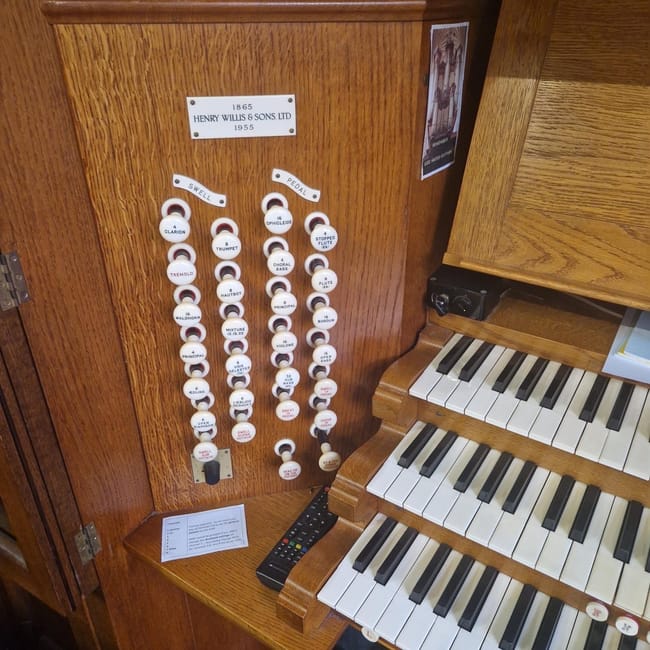
Each group of similarly voiced pipes are activated by one or more stops on the organ console. #StMarysChurch organ has 36 stops that connect almost 2000 pipes to three manuals and pedals.
More stops provide greater freedom for artistic interpretation of a musical composition. The increased complexity also required new methods for the organist to make best use of the instrument.