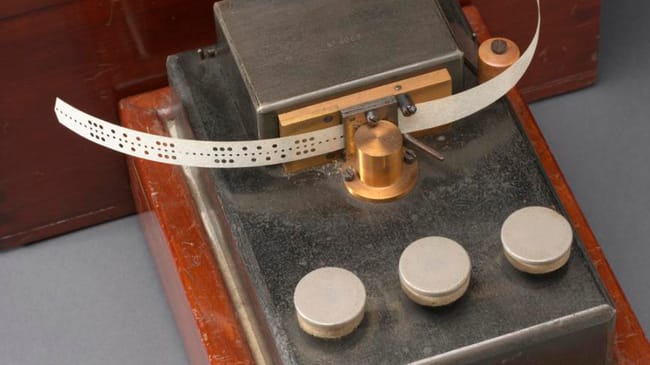
Pioneering work in telegraphy conducted by Sir #CharlesWheatstone offered a simpler and more reliable method of relaying signals from the console to the pneumatic valves.
By the start of the 20th Century, pneumatic actions were being replaced by electro-pneumatic designs. However, it was much later that century when organs builders had access to reliable electrical supplies.
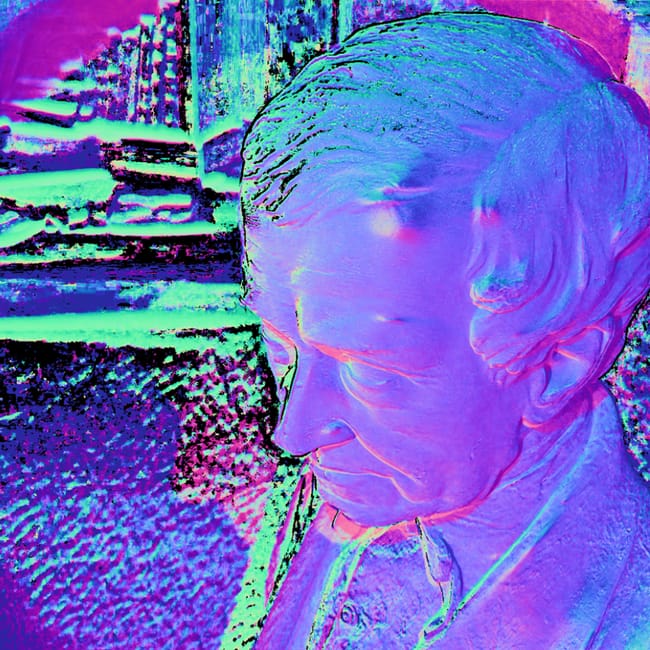
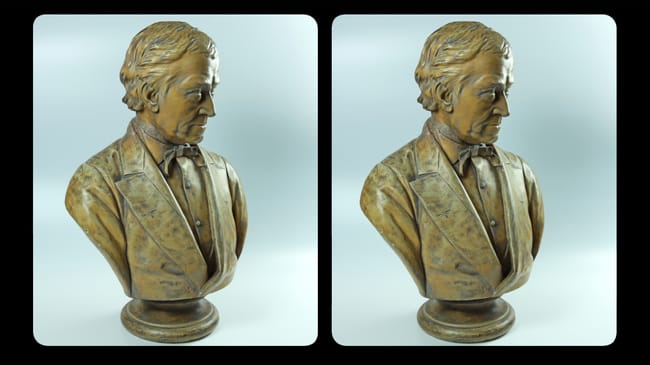
Using #Elata, a #3DScanner developed by #Aralia, the sculpture of #CharlesWheatstone has been captured & reconstructed in #3D. Leveraging the power of cloud-computing the ground-breaking #ElataScanner is a low-cost companion appliance for smartphones to record a combination of neural photogrammetry & photometric stereo with high levels of detail & accuracy. araliasystems.com
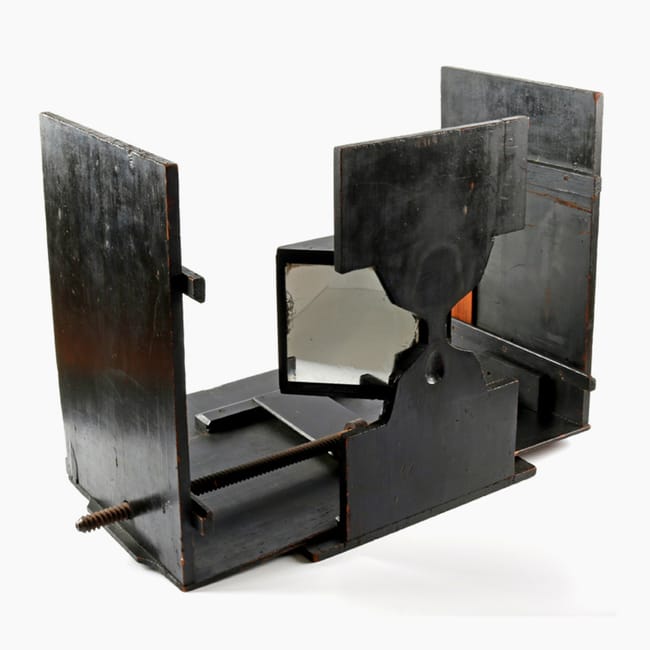
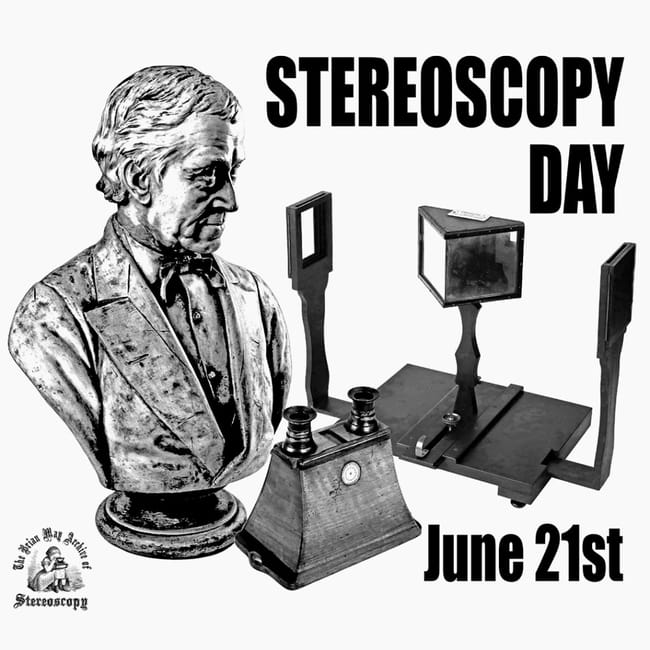
Sir #CharlesWheatstone concluded that the brain resolves the distance of objects using #BinocularVision & on the 21.06.1838 at the #RoyalSociety in London, he demonstrated an instrument he designed to prove his theory. The #Stereoscope was immensely popular in the 19th & early 20th CE, & was widely used for entertainment, in education & as an enthralling substitute to travel.
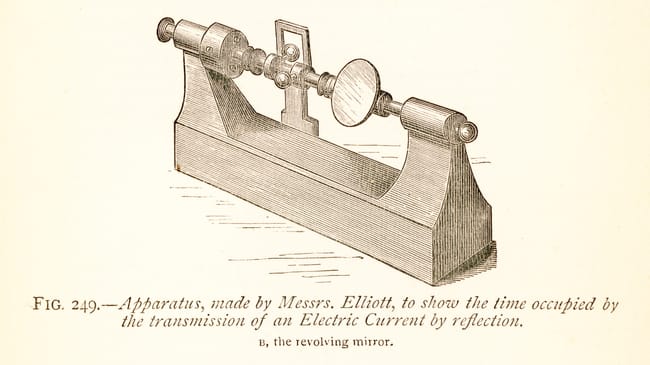
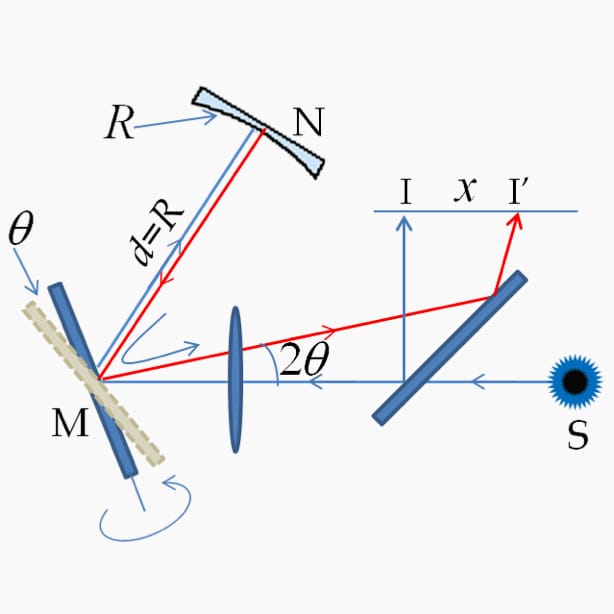
#CharlesWheatstone studied how physical media transferred information & developed seminal experiments that determined the #SpeedofSound & the #SpeedofElectricity through materials. He observed, light emitted by an electrical spark had a spectrum unique to the metal used to strike the arc, this discovery led to the #Spectroscopy used by astrophysicists & chemists today.
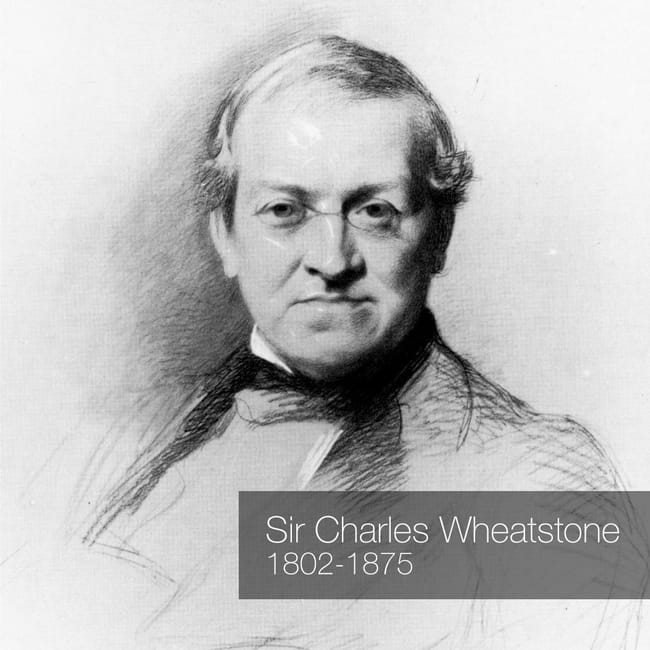
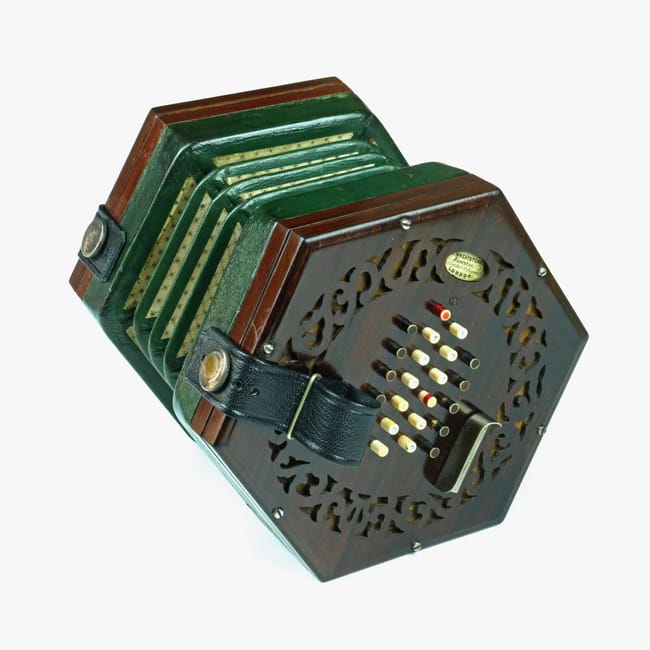
#CharlesWheatstone was born in 1802 to a family of music-sellers & makers of instruments. Aged 14, he was apprenticed to his Uncle at 436 Strand, London but preferred to study books instead. In later life, he applied his research into #Acoustics to improve musical Instrument design & he invented the #Concertina, which #WheatstoneAndCo still manufactures.
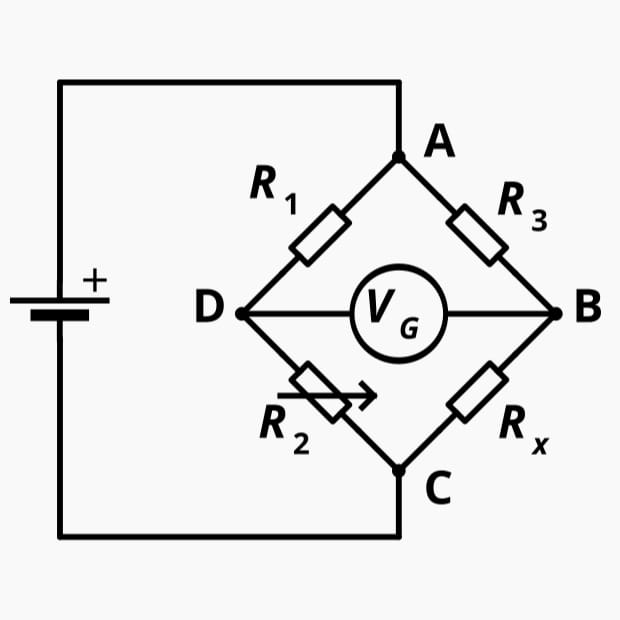
#CharlesWheatstone is famously known for the #WheatstoneBridge, a diamond-shaped electrical circuit that is the gold standard technique for precision electrical measurement. Invented in 1833 by #SamuelHunterChristie for another purpose, Wheatstone proposed Christie's invention in a paper to measure electrical resistance & in 1843, the device picked up the Wheatstone name.
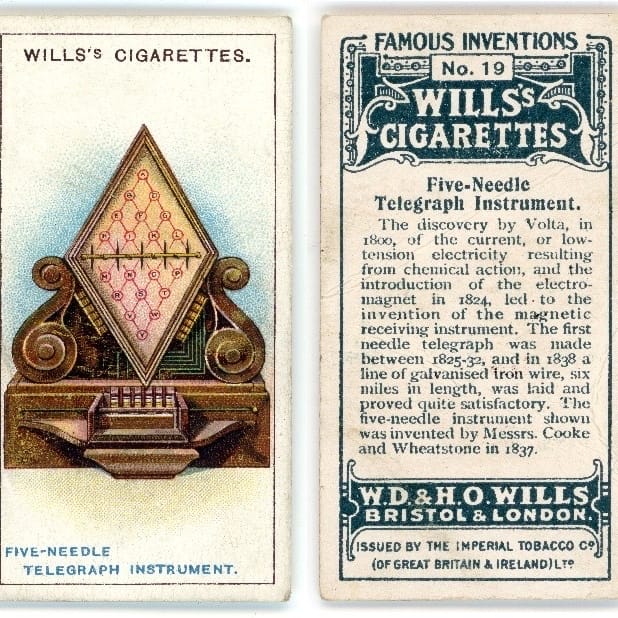
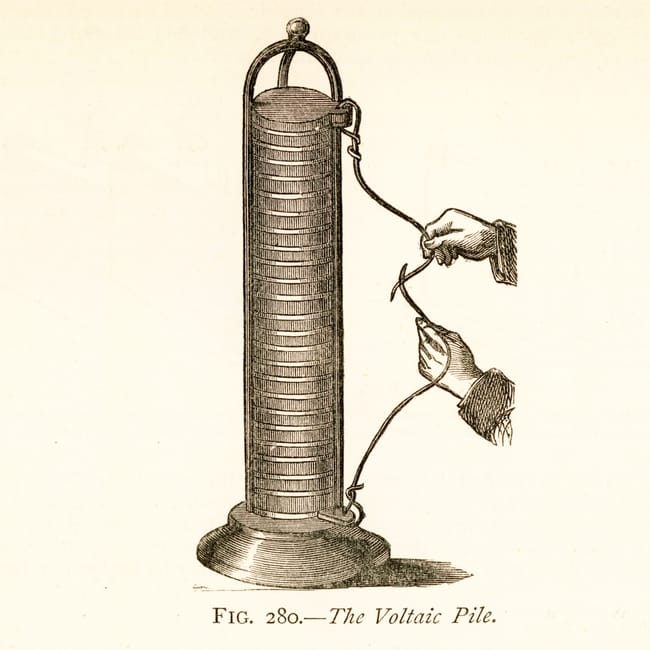
An accomplished linguist, #CharlesWheatstone could read scientific topics in multiple languages & used this ability to study treatise on #Electricity by leading scientists. In particular, the earlier work of the Italian #AlessandroVolta (1745-1827) and his #VoltaicPile invention helped Wheatstone solve the problem of #Telegraphy & develop the World’s 1st practical #Telegraph.
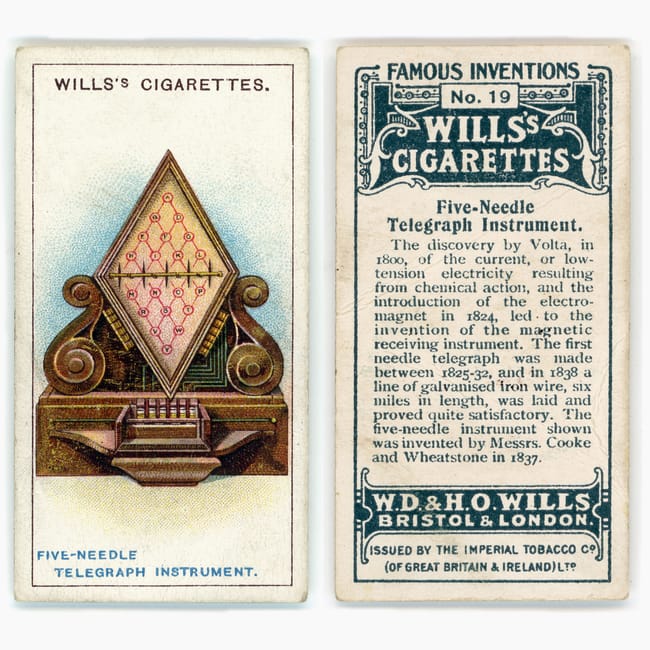
The electrical #Telegraph was invented by #CharlesWheatstone & #WilliamFothergillCooke. Cooke wanted to transmit information between signal boxes using electricity to ensure the safe operation of steam trains, but he lacked the scientific knowledge. Wheatstone rectified Cooke’s concept & together they created the 1st Telegraph, & in 1846 founded the #ElectricTelegraphCompany.
The 1878 #RoyalAcademyofArt Exhibition featured a marble bust of #CharlesWheatstone, marking his place in science, society & history. These Victorians cast scientists as modern heroes & now in 2025, the posthumous likeness of Wheatstone sculpted by #WGBrooker, has been captured in #3D by #Aralia using Sir #BrianMay's replica, & stereoscopically photographed by Denis Pellerin.