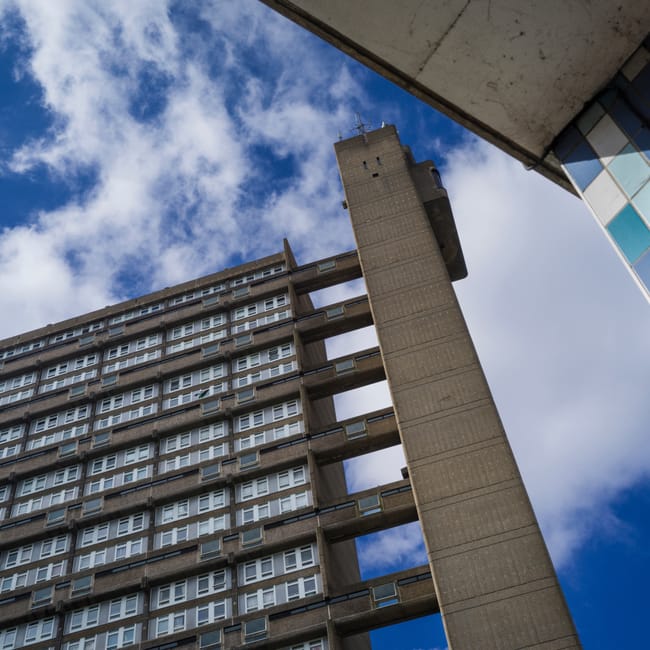
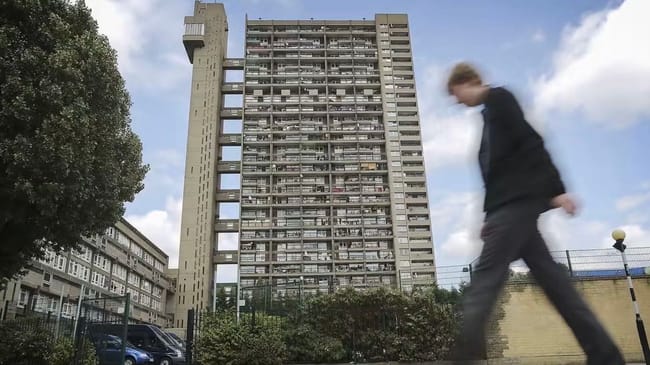
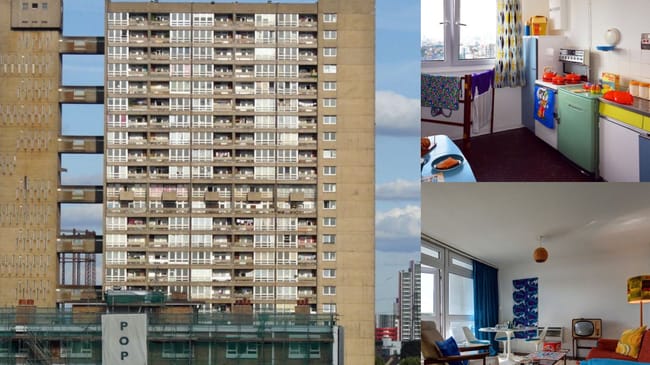
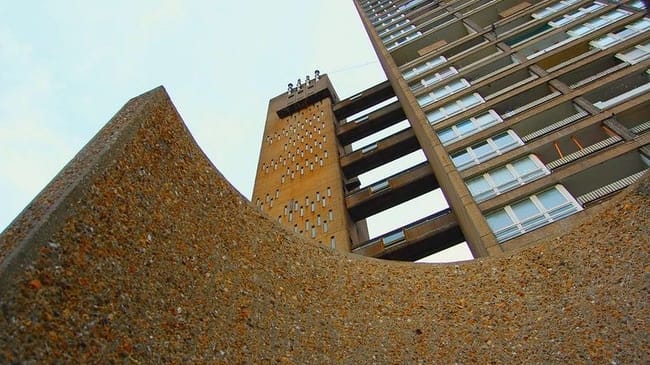
“I built skyscrapers for people to live in,” said the architect #ErnoGoldfinger about #TrellickTower, a 31-storey #Kensington residence. With sky bridges & spaces that echo #BalfronTower#BrutalistArchitecture ideals, this #SocialHousing was meant to enable the community to live with dignity, but neglect, media panic & policy failures turned it into a symbol of urban decline.
In less than 10 yrs after its opening, #TrellickTower was considered a failure. But during the 1980s, the residents got organised & showed “Pride in place” & turned the story around. Maintenance improved, crime fell & in 1998, it became #Grade2Listed. Today, it is both a celebrated icon of #BrutalistArchitecture, & a warning of how easily #SocialHousing can be undermined.
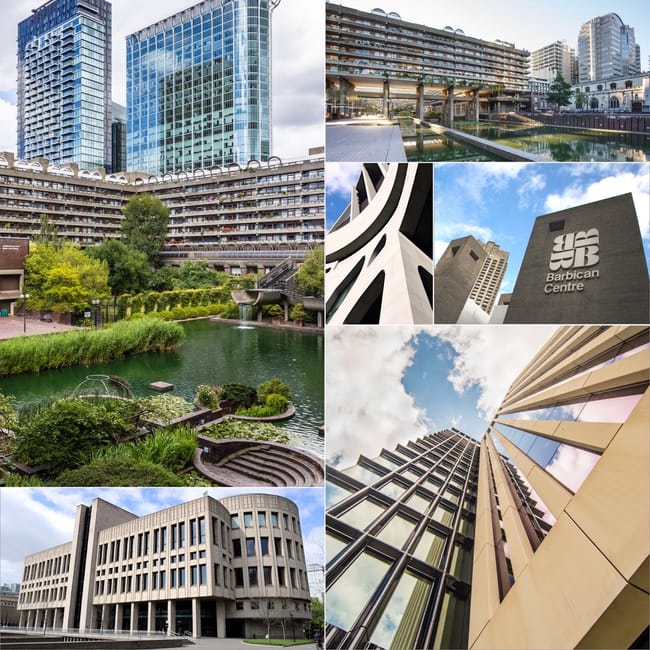
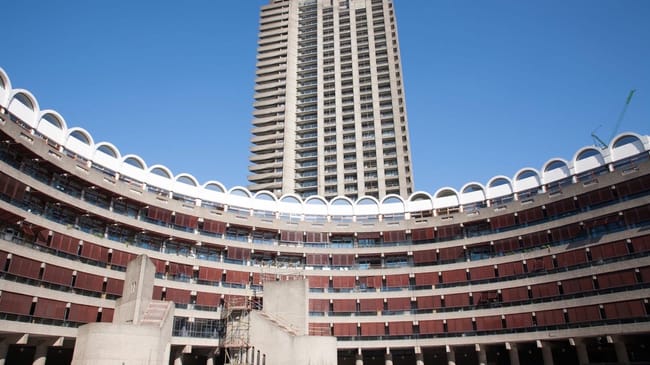
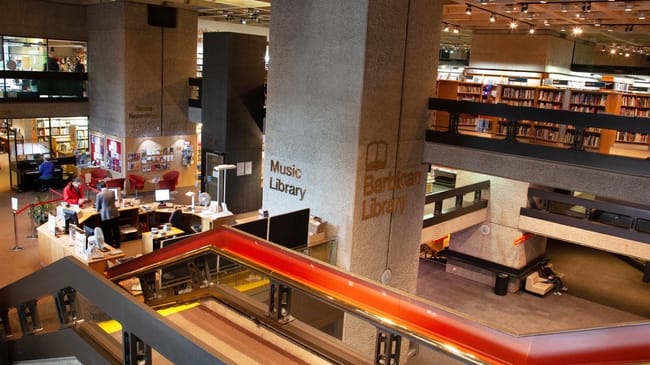
A city within a city! That was the vision that inspired the #Barbican Estate. Born out of wartime ruin, this prominent exemplar of #BrutalistArchitecture was designed by #GeoffryPowell#PeterChamberlin & #ChristophBon to house London’s middle & upper class professionals in style. With 2K flats, schools, a library, gardens & venues on-site, it promised an integrated life.
The #RightToBuy in the 1980s, gave the tenants of the #Barbican estate an opportunity to buy their flats at a discount, gradually shifting public ownership to private. As more homes entered the open market, values soared. What began as a vision of dignified #SocialHousing became a symbol of #Privatisation & #Gentrification of London’s #BrutalistArchitecture legacy.
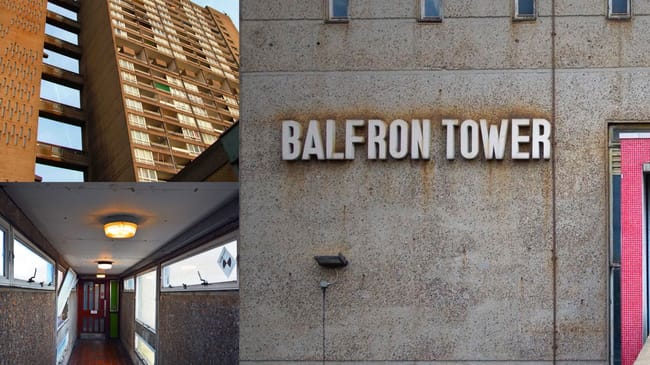
Cast in #Concrete & #Grade2Listed, #BalfronTower has not changed in appearance, but everything is new inside. From 2014–17 the #SocialHousing council flats were redeveloped & sold as private homes, with polished floors & concierge service. Only #Flat130 is untouched, a nod to the visionary architect #ErnoGoldfinger. The form survives. The story changed. #BrutalistArchitecture